Dreaming About a House: Reflect on the Rooms and Changes
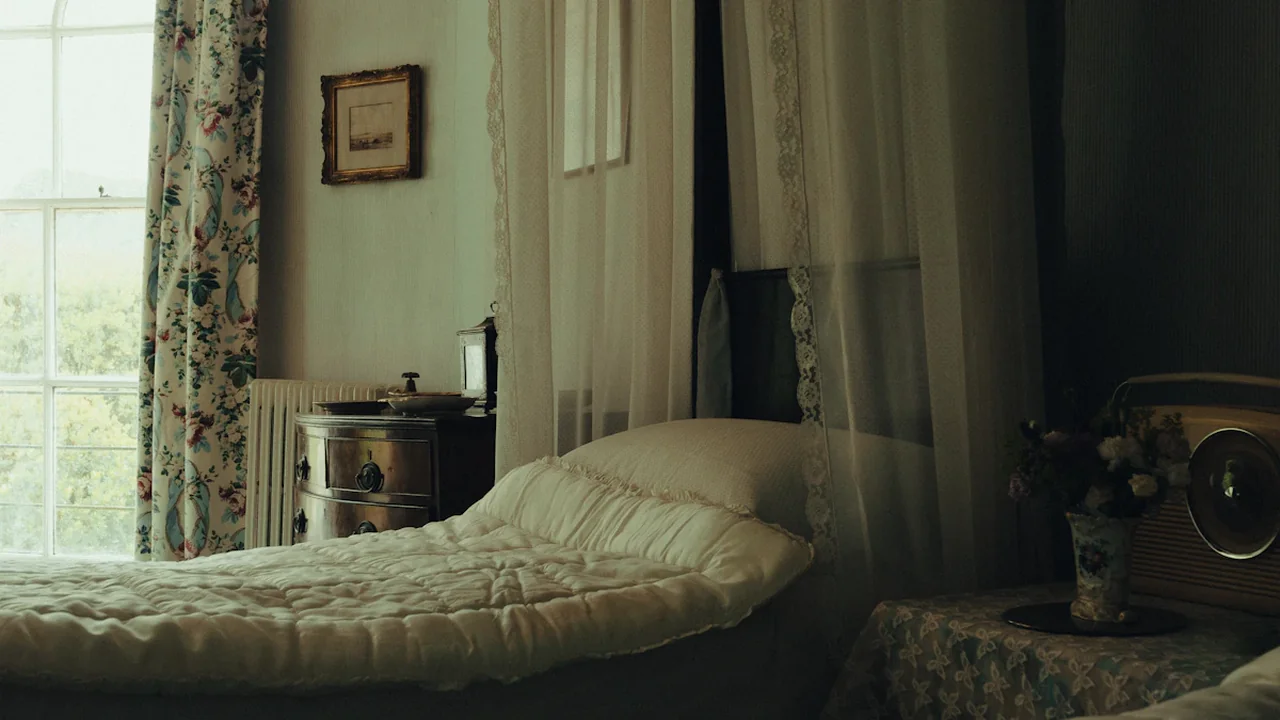
A house dream can offer a vivid starting point for personal reflection, but it does not predict a move, a purchase or a change in your family. To explore what it meant to you, begin with the room or change you remember, the mood of the dream and any connection it brings to mind in waking life.
Why houses appear in stories and dreams
Homes are familiar settings in folklore and storytelling: places of shelter, routine, privacy and change. That cultural familiarity can make a house an especially memorable dream setting. It does not mean that every dream house carries the same message, or that a particular room reliably represents one part of a person.
Dream interpretation is most useful here as an open-ended reflection exercise. A kitchen, attic or hallway may matter because of a personal memory, a recent event or simply the way the dream unfolded. Your own associations are more informative than a fixed symbol list.
Start with the room that stayed with you
Rather than trying to decode the whole house at once, choose one detail that is easiest to recall. Ask what was happening there and how you felt in the moment. A room that seemed ordinary can be just as useful to reflect on as a strange or dramatic one.
Try these questions as prompts, not as rules:

- Kitchen: What was being prepared, shared or left unfinished? Does the scene remind you of a person, routine or responsibility?
- Bedroom: Did the room feel private, restful, crowded or exposed? Is there a current situation that brings up a similar feeling?
- Hallway or staircase: Were you moving toward something, waiting, lost or unable to pass? What does that movement recall from your life right now?
- Attic, basement or storage room: Did you find, hide or sort anything? Is there a memory or task you have been thinking about lately?
- An unfamiliar room: What made it feel unfamiliar: its appearance, its location or the feeling it gave you? Could it connect to something new or simply unexpected?
These questions are ways to gather associations, not a codebook. If a room has no personal meaning for you, there is no need to invent one.
What moving or renovating might prompt you to consider
Dreaming about moving house is not reliable evidence that you will move in waking life. It may be more useful to ask what the move felt like. Were you eager to leave, worried about what you had packed, relieved to arrive or unsure where you belonged? Those feelings may bring to mind an actual transition, even if it has nothing to do with housing.
A renovation dream can prompt similar questions. Was something being repaired, stripped away, added or left unfinished? Consider whether those details connect with a project, changing routine or decision you have been turning over. The dream does not establish that a specific change is necessary or on its way.
Finding an extra room can feel surprising, comforting or unsettling. Instead of treating it as a prediction, note what you did in the room and what you wanted to do next. The emotional tone may help you connect the scene with a real-life association—or show that it does not bring one to mind.

Keep a short house-dream journal
A few concrete notes can help you reflect without forcing a meaning onto the dream. Write them soon after waking, while the scene is still clear:
- Name the room or house detail you remember best.
- Describe what happened there in plain words.
- Record the strongest feeling during the dream and after waking.
- Note any real-life memory, place, person or concern that came to mind.
- Leave the interpretation open: write “I wonder whether…” rather than treating a guess as a fact.
If you dream about a house repeatedly, compare the details and feelings across entries. Notice what changes and what stays the same, but do not assume that repetition proves a message or prediction. The exercise is simply a way to pay attention to your own associations.
Let your associations guide the reflection
The same room can mean very different things to different people. A childhood kitchen might feel safe to one person and tense to another; an unfamiliar bedroom might suggest nothing beyond a memorable dream scene. There is no dependable room-by-room formula that settles the interpretation for everyone.
For a useful starting point, keep the question small: What stood out, how did it feel and what does it remind me of? If no association comes, that is a valid answer too. A house dream can remain an interesting image without forecasting a home purchase, a move or a family change.
Source: Editorial research
Context & actions About this article
Source check A reflection exercise
These prompts invite personal reflection and do not treat dream rooms as universal symbols or predictions.
- Note the room or detail that stood out
- Record the dream's emotional tone
- Consider a real-life association without forcing one
- Scope
- International
- Updated
- 2026-10-11 08:21
Source check
Report a trust issue
Send a clear signal to community moderation if the source, facts or context need review.




Comments