Dreams About Missing a Train: Time Pressure and Change
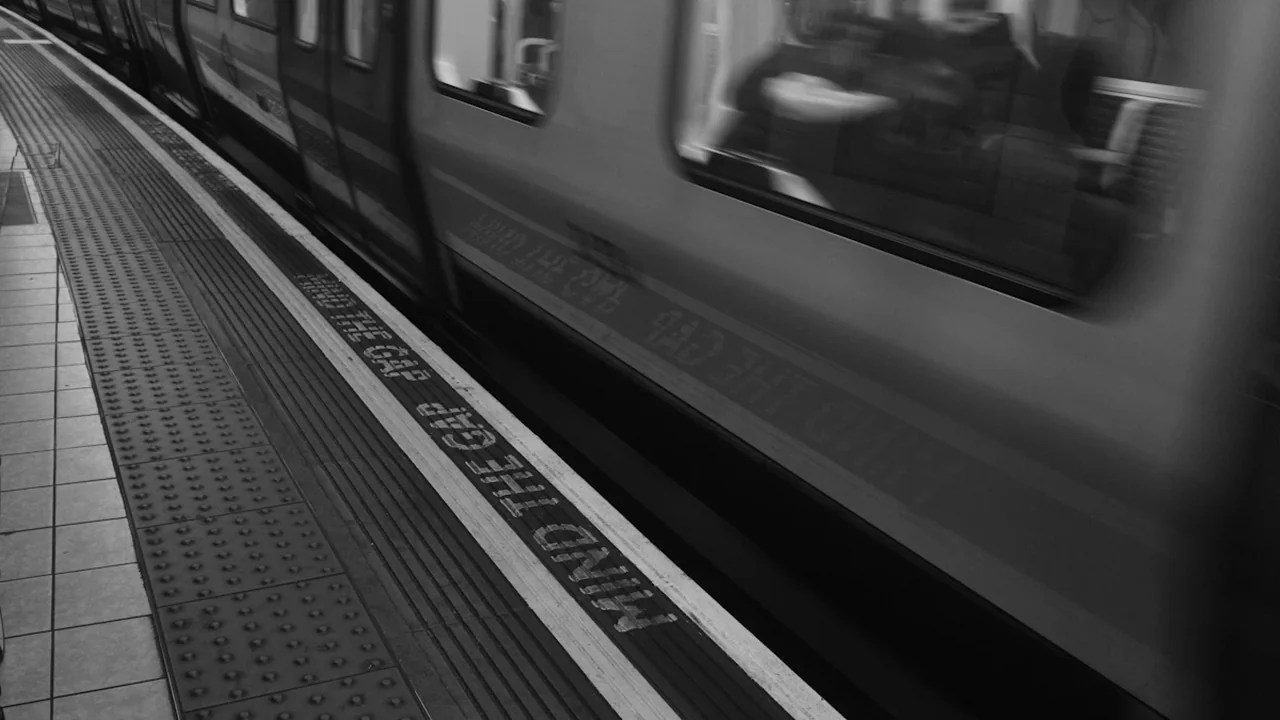
A missed-train dream can leave you with the feeling that an important moment has passed while you were still trying to reach it. It may bring deadlines, change, or fear of letting someone down to mind, but it has no single reliable meaning and cannot predict what will happen. The most useful clues are often the emotion in the dream and what is happening in your life now.
Why a missed train can feel so urgent
Trains run to timetables and follow set routes, so they can serve as a vivid image of time, direction, or a transition. Missing one can turn those ideas into a simple scene: a departure you cannot reverse, a plan that keeps moving without you, or a destination that suddenly feels harder to reach.
That symbolism is a starting point for reflection, not a universal code. A train may matter because you recently travelled by rail, watched a film with a station scene, or associate stations with a particular person or period of life. Your own associations are more useful than a fixed dream dictionary definition.
The dream may also borrow the structure of everyday pressure. A crowded platform, a confusing timetable, or a train seen just as its doors close can resemble the way a busy week feels when there is too much to coordinate and too little time to do it.
Deadlines, transitions, and fear of disappointing others
If you are facing a deadline, waiting for a decision, or juggling responsibilities, the dream may echo the strain of trying to arrive on time. It does not prove that you are failing. Instead, it may offer a striking picture of a feeling you already recognize while awake: being rushed, unprepared, or worried that one missed step will have consequences.
A train can also suggest movement from one stage to another. Starting a job, finishing a course, moving home, or changing a relationship can bring anticipation alongside uncertainty. A missed departure might fit a fear of being left behind, but it might also reflect hesitation about moving forward. The feeling matters more than the symbol alone.
Sometimes the central worry is another person’s reaction. You may dream that someone is waiting at the destination, or that you are travelling with a group you cannot catch up to. Consider whether you have recently felt responsible for meeting someone else’s expectations. That is a question to explore, not evidence that you have disappointed anyone.
The scene can also touch on control. You may be ready to go but unable to find the platform, buy a ticket, or get through a crowd. These details can resemble situations where other people, systems, or uncertain timing shape what happens next. A dream cannot tell you which decision to make, but noticing what felt out of your hands can help name a waking concern.

Culture and personal associations shape the image
Dream symbols do not carry exactly the same meaning across cultures or individuals. A railway may bring to mind modernity, migration, independence, family journeys, or the routine of a daily commute, depending on someone’s experience. Even two people who dream about the same station may be responding to very different memories and pressures.
That is one reason to be cautious with claims that a missed train always means a missed opportunity. Such readings may feel resonant, but they are interpretations, not established rules. A familiar station from childhood could be more relevant to your dream than any general account of what trains symbolize.
A short journalling exercise for the morning after
Write down the dream before trying to explain it. Keep the details that are easy to dismiss: where you were, who was there, what stopped you, and whether the train was close or already gone. Then separate what happened in the dream from the meaning you are considering.
Try these prompts:
- Emotion: What did you feel most strongly—panic, frustration, embarrassment, relief, or something else?
- Setting: Was the station familiar or unfamiliar? Were you alone, lost, delayed, or helping someone else?
- Current context: What deadline, decision, transition, or relationship concern has been occupying your attention?
- Personal association: What do trains, stations, or that destination mean to you in real life?
- Next step: Is there one practical action that would ease the pressure, such as clarifying a deadline, asking for help, or making time to think?
Finish with a sentence that begins, “This dream may be echoing…” rather than “This dream means…”. The wording leaves room for curiosity without turning a possible connection into a fact.
When the dream repeats
A recurring dream can be a reason to pause and notice what has been stressful, but it is not a diagnosis. Try recording when it appears and whether anything in your routine or circumstances seems to change around the same time. A few notes may reveal a pattern in your own experience; they still cannot establish a single cause.
If dreams are disrupting your sleep or causing significant distress, consider talking with a qualified health professional. You do not need to interpret the dream correctly to ask for support. For everyday reflection, begin with the emotion, the details you remember, and the part of waking life that currently feels most time-sensitive.
Source: Editorial research
Context & actions About this article
Source check A note on interpretation
This guide treats dream symbols as personal prompts for reflection, not as diagnoses or predictions.
- Consider the emotion you felt in the dream
- Note the setting and details you remember
- Compare them with your current life context
- Scope
- International
- Updated
- 2026-10-22 09:26
Source check
Report a trust issue
Send a clear signal to community moderation if the source, facts or context need review.




Comments