How to Compare UK Fuel Prices and Journey Costs
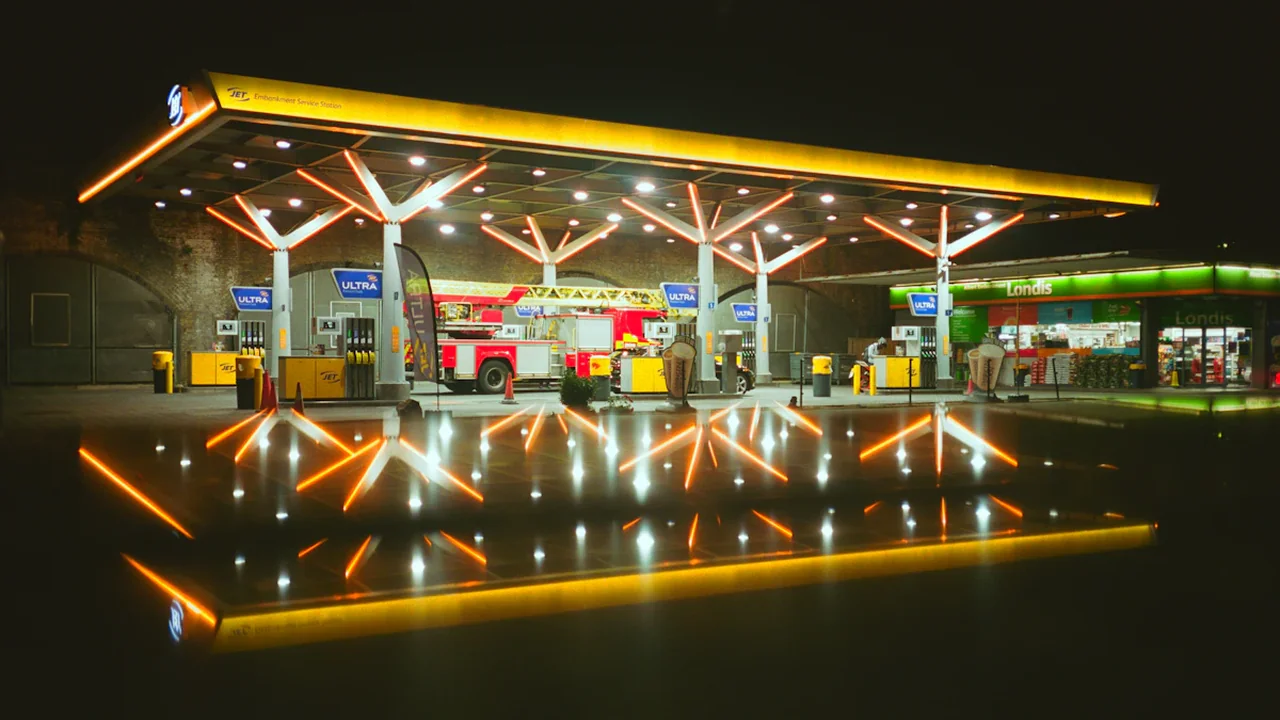
A journey’s fuel cost depends on how far you drive, how efficiently your car uses fuel and the price per litre where you fill up. Estimate the litres you need, check current local petrol or diesel prices, then compare the full trip with options such as public transport, car-sharing or combining errands.
Check local petrol and diesel prices
The Competition and Markets Authority (CMA) provides fuel-finder resources to help drivers compare prices. Use them to check petrol or diesel prices near your route, and look at when and where each price was recorded. A listed price can change, so confirm it is current before you choose a stop.
The Department for Energy Security and Net Zero also publishes UK road fuel price statistics. Its government collection provides broader price context; local fuel-finder listings are more useful for comparing nearby forecourts. Neither figure guarantees the price you will find when you arrive.
When comparing forecourts, check that you are comparing the same fuel type and price unit. A petrol price cannot be used to estimate a diesel purchase, and a difference of a few pence per litre may matter more on a large fill than on a small top-up.
Estimate how much fuel the journey needs
If you know your vehicle’s fuel economy in miles per gallon (mpg), use this calculation:
Litres needed = journey miles ÷ miles per gallon × 4.546
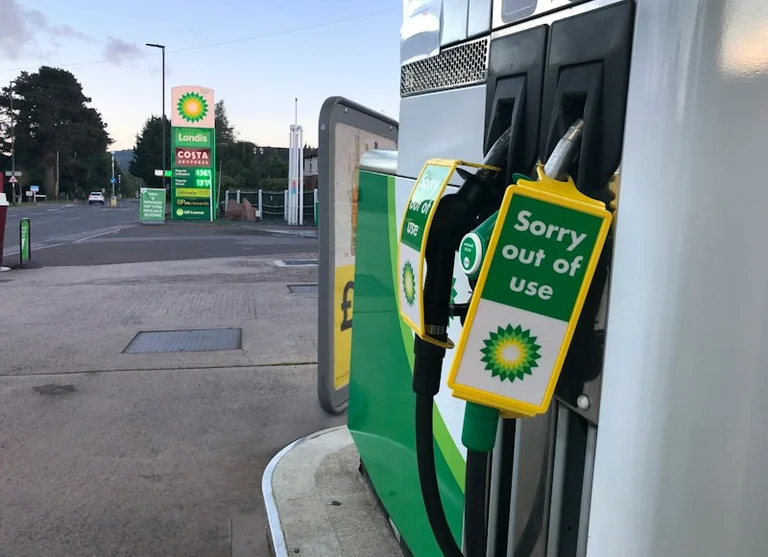
Then estimate the fuel cost using the listed price per litre in pounds:
Estimated fuel cost = litres needed × price per litre
For example, suppose a car averages 40 mpg and the journey is 120 miles. The estimate is 120 ÷ 40 × 4.546, or about 13.6 litres. At a displayed price of £1.50 per litre, the estimated fuel cost is about £20.40.
This is a planning estimate, not a guarantee. If you calculate a return trip, include the return miles. For a route with substantial detours, add those miles too. Keep the price in pounds per litre when multiplying: for example, £1.50 rather than 150 pence.
Compare the full cost of the trip
A lower pump price does not automatically make a journey cheaper overall. Consider how far you must drive to reach the forecourt, whether that adds a detour and how much fuel the extra miles could use. Compare the resulting trip cost, not just the headline price per litre.
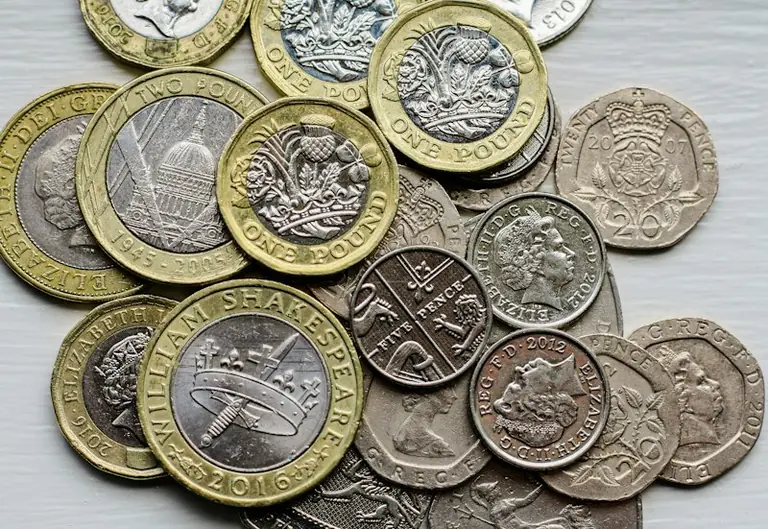
For a fuller comparison, include costs that apply to your route and plans, such as parking, tolls or public transport fares. Some expenses depend on the journey or vehicle, so there is no single figure that fits every driver. A fuel saving may be outweighed by a long detour or parking charge, while a nearby cheaper station may make a useful difference on a larger fill.
You can also compare driving with public transport, car-sharing or combining several errands into one trip. These choices may reduce your costs in some circumstances, but fares, timing, extra passengers and the route can change the result. Compare the options for the particular journey rather than assuming one is always cheaper.
Why actual fuel use can differ
The mpg figure is an average, and real consumption varies. Traffic can mean more stopping and starting; vehicle condition, driving style and route also affect fuel use. A heavily loaded car, a different speed or a route with hills may produce a different result from a simple mileage estimate.
Treat the calculation as a baseline. If you regularly track fuel purchases and mileage, your own recent consumption can help you make a more realistic estimate for similar journeys. Allow for uncertainty when budgeting, especially when the route or traffic conditions are unfamiliar.
A practical check before setting off
Before choosing where to refuel, estimate the journey’s litres and cost, compare nearby prices for the correct fuel, and check each listing’s time and location. Then consider any detour and the other costs of travelling. Recheck the listing close to your departure, since the displayed price may have changed.
Source: Department for Energy Security and Net Zero, GOV.UK
Context & actions About this article
Source check How the estimate works
The fuel calculation uses journey miles, miles per gallon and a displayed price per litre; local listings can change, so check their time and location.
- Compare the same fuel type and price unit.
- Check the listed price time and location.
- Include return miles and any refuelling detour.
- Source
- Department for Energy Security and Net Zero: Road fuel price statistic...
- Scope
- United Kingdom
- Updated
- 2026-10-10 09:07
Source check
Report a trust issue
Send a clear signal to community moderation if the source, facts or context need review.



Comments