Will the Bank of England Cut Rates on 17 December 2026?
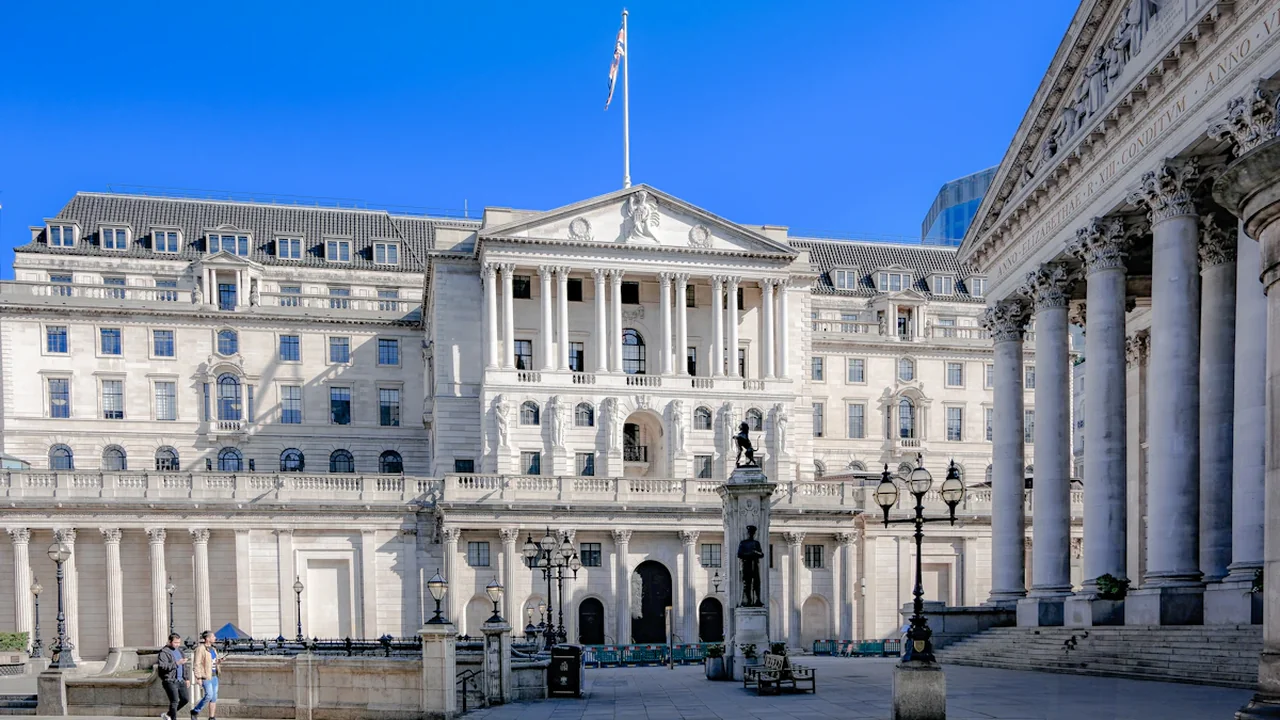
The Bank of England has scheduled its next December rate decision for 17 December 2026, when the Monetary Policy Committee will decide whether to change Bank Rate. The date matters to borrowers, savers and businesses because the decision can affect lending and deposit rates; the outcome will depend on inflation, employment and other evidence published before the meeting. The Bank’s calendar confirms the scheduled date, but the material provided here does not establish the current Bank Rate or the latest inflation and labour-market readings, so it does not support calling a cut likely.
The December forecast and its deadline
- Question: Will Bank Rate be lower after the Bank’s 17 December decision than it was immediately before?
- Deadline: The scheduled decision date is 17 December 2026.
- YES: The Bank announces a lower Bank Rate that day.
- NO: It announces no change or a higher rate.
- Resolution: The Bank of England’s published decision and Bank Rate information determine the result. If the meeting is postponed or no rate decision is published that day, the forecast remains unresolved pending an official announcement.
This is a forecast about a specific public decision, not a statement that a cut is expected. The Bank sets Bank Rate through its Monetary Policy Committee (MPC), and the published rate decision is the decisive evidence for the outcome.
What is known, and what still needs checking
The Bank describes Bank Rate as its official policy interest rate and says it is set by the MPC. Its upcoming-meetings calendar lists the December 2026 decision date as 17 December. Those facts establish who decides and when, but they do not establish what the committee will decide.
A fully current assessment also needs dated readings for consumer-price inflation and the labour market, alongside the Bank Rate in force now. Those figures are not specified in the source material for this brief. Without them, it would be misleading to state a current rate, cite a latest inflation or employment value, or claim that recent data point toward a cut.
Before the meeting, readers can follow the latest releases from the Office for National Statistics (ONS), then compare them with the MPC’s published policy material. The relevant questions include whether inflation is easing or proving persistent, whether pay and employment conditions are changing, and whether the committee says the evidence is consistent with its inflation objective.
Why inflation and jobs matter to the decision
The MPC weighs the outlook for inflation when setting Bank Rate. Inflation that stays persistent could make the committee cautious about lowering rates. A sustained easing in price pressures could make a lower rate more plausible, but one release alone would not settle the decision: the committee considers the broader outlook and the balance of risks.
Labour-market conditions provide another part of that picture. Employment, pay growth and vacancies can help indicate how much pressure demand may be adding to prices. Weaker conditions may affect the case for a cut, while strong pay or continued price pressure may weigh against one. The direction of these indicators matters alongside their level and the committee’s assessment of how they will develop.
The Bank’s policy material and its decision statement are the best places to see how policymakers describe those trade-offs. Until new evidence and the December statement are available, both a cut and no cut remain possible outcomes.
What each outcome could mean for households
Bank Rate influences borrowing costs across the economy, but a change does not pass through identically to every product. Mortgage holders on tracker or variable rates may be more directly exposed to rate movements. For fixed-rate borrowers, the effect usually comes when a deal is renewed or when lenders change the fixed rates they offer.
A cut could put downward pressure on some borrowing rates, but it would not guarantee an immediate or equal reduction in every mortgage payment. Lenders set product rates using several factors, and a borrower’s timing and terms matter. A household approaching a remortgage should compare actual offers and fees rather than assume the December decision will determine its next payment.
Savers may also see banks adjust deposit rates after a change, though the timing and size vary by account and provider. Businesses can be affected through the cost of loans and other financing. For all three groups, the Bank Rate announcement is an important signal, not a promise about any individual product rate.
What could shift the outlook before 17 December
The forecast can change as new information arrives. The main checks are:
- The latest ONS consumer-price inflation release, including whether price pressures are broad or concentrated in particular items.
- ONS labour-market figures, including employment and pay trends.
- The Bank’s published policy material and any explanation of how the MPC sees inflation risks and the economic outlook.
- The Bank Rate in force immediately before the meeting, which provides the comparison point for the forecast.
These checks help readers understand the debate, but none predetermines the vote. The committee could weigh new data differently from market commentary, and the published decision remains the test for whether the forecast resolves YES or NO.
How the forecast will be settled
The result is based on the Bank of England’s official announcement for 17 December 2026. A lower rate than the one in force immediately beforehand resolves YES. An unchanged or higher rate resolves NO. If the scheduled meeting is postponed, or the Bank publishes no rate decision that day, the forecast stays unresolved until an official announcement provides an outcome.
The useful next check is the Bank’s meeting calendar and the dated inflation and labour-market releases published before 17 December. On decision day, the Bank’s statement will show whether the rate changed and explain the committee’s reasoning.
Source: Bank of England
Context & actions About this article
Source check Official sources
The Bank of England’s rate and meeting pages establish who sets Bank Rate and list the scheduled 17 December 2026 decision; current inflation and labour-market readings should be checked in the latest ONS releases.
- Bank Rate is set by the Monetary Policy Committee.
- The Bank’s calendar lists 17 December 2026 for the scheduled decision.
- The decision resolves against the rate in force immediately beforehand.
- The latest ONS inflation and labour-market releases are not specified here.
- Source
- Bank of England
- Scope
- United Kingdom
- Updated
- 2026-10-28 11:02
Source check
Report a trust issue
Send a clear signal to community moderation if the source, facts or context need review.




Comments