Dreaming About an Old Home: Memory and Belonging
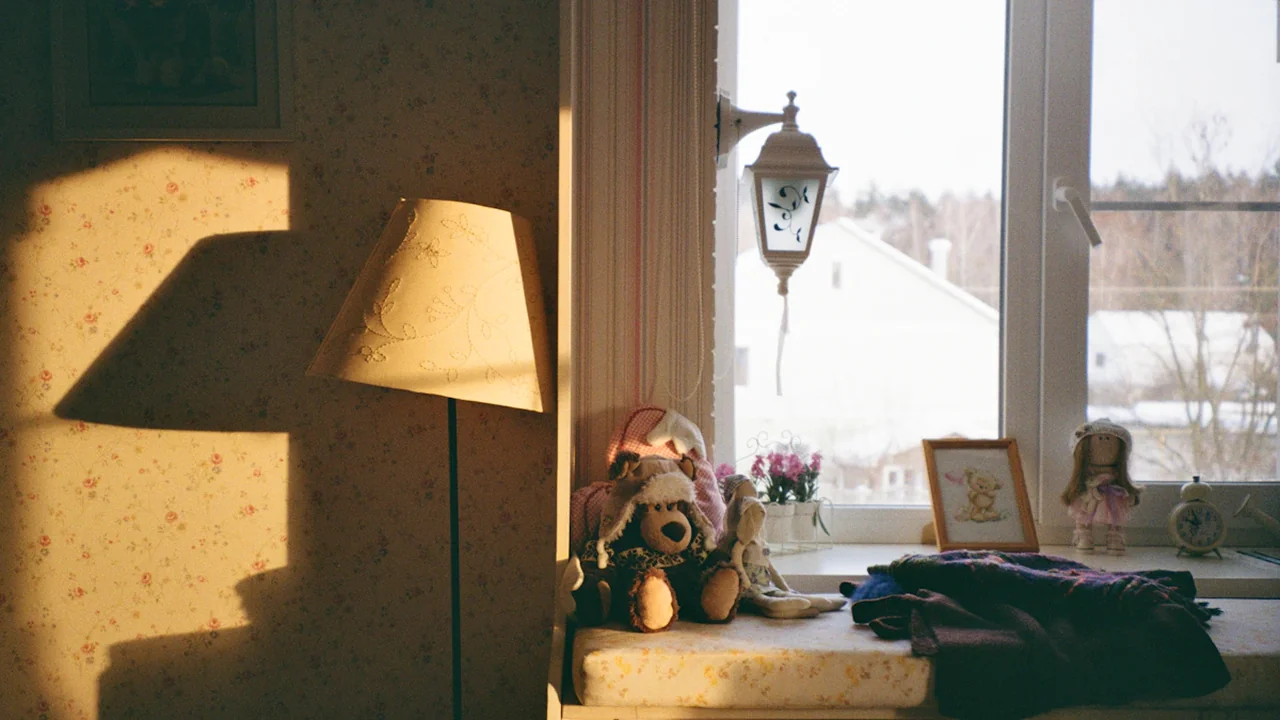
A childhood home, former flat or unfamiliar house in a dream can bring old memories and present-day feelings of belonging into the same scene. It does not have one fixed meaning: the rooms and details that stand out may offer a useful starting point for reflection, but they cannot tell you what decision to make.
Why homes carry meaning in stories and culture
Across stories and everyday language, home can represent shelter, family, privacy, stability or the place a person hopes to return to. Those associations help explain why a house can feel emotionally charged in a dream. They are cultural images, though, not a universal code for decoding someone’s private experience.
A locked door might be a striking detail to one dreamer and an ordinary feature to another. Its meaning depends on what the person remembers, how the scene felt and what is happening in their life. The image alone cannot establish that someone feels unsafe, longs for childhood or needs to change their living situation.
How memory can shape a house dream
A familiar building can hold more than one period of life. The kitchen might bring back a family routine; a staircase may recall a daily trip upstairs; a particular window might be linked to a move or a goodbye. In a dream, those details can make a place feel like a vivid return even when the dream does not recreate it accurately.
Autobiographical memory is memory for events and experiences from one’s own life. Remembering a place may involve details, emotions and personal associations rather than a complete, objective record of the past. A dream about an old home can therefore be approached as a personal image shaped by memory, not as a recording of what happened or a message with a guaranteed interpretation.
Sometimes the house is recognisable but altered: a room is larger, the hallway leads somewhere unexpected, or a former flat contains unfamiliar furniture. That shift can be worth noticing. It does not prove that the dreamer has changed in a particular way; it may simply be how the place appears in that dream.
The feeling of belonging may be present-day, too
An old address can connect a dreamer with the past while bringing current questions into view. Someone who has moved, started a new relationship, left a familiar community or changed family roles may find the idea of “home” especially resonant. Another person may dream of the same building without connecting it to any major transition.
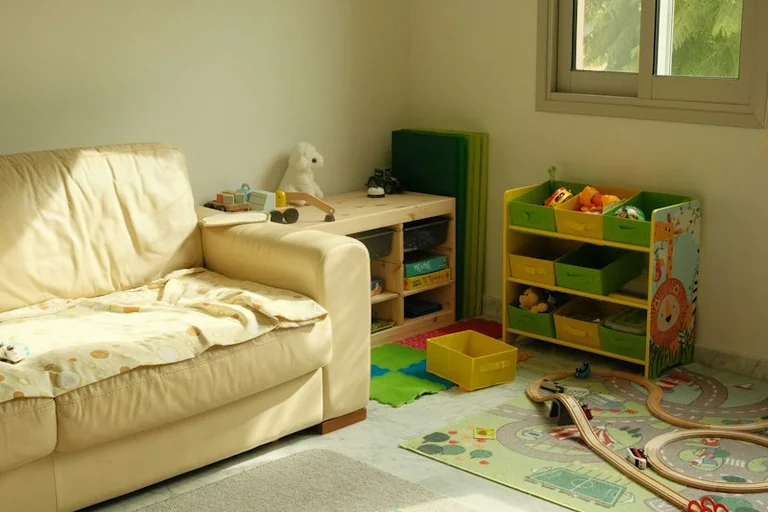
Consider the dream alongside recent experiences rather than treating it as an instruction. Did you visit a relative, see an old photograph, talk about moving, or encounter something that reminded you of that house? Ordinary reminders can make a place more noticeable in memory. The connection may be meaningful to you, but it need not point to a hidden truth or a single cause.
A brief prompt for reflecting on the dream
Write down the room or detail that stayed with you first. Then note what feeling accompanied it and which period of life it evokes, if any. Keep the observations separate from guesses about what the dream “means.”
You might use these prompts:
- Which place appeared: a childhood home, a former flat or somewhere unfamiliar?
- What specific room, object, doorway or view stood out?
- What did you feel in the dream and after waking?
- What life period or personal memory does that detail bring to mind?
- Is there a present-day experience that makes this image feel relevant?
A few brief notes can help you notice patterns if the dream recurs. If no connection comes to mind, that is a valid reflection too; you do not have to force a symbolic explanation.
What an old-home dream cannot decide for you
A dream is not reliable evidence that you should move house, return to a relationship or revisit a painful event. It cannot confirm what another person feels, reveal a hidden memory as fact or predict what will happen. A dream may prompt curiosity about your own associations, but any real-life decision deserves attention to the circumstances and information outside the dream.
If a dream leaves you distressed, you can choose a gentle response: make a few notes, talk with someone you trust, or set the subject aside. You do not need to revisit a difficult place or event just because it appeared while you slept. The most grounded question is often simply: what detail stayed with me, and what does it bring to mind today?
Source: Editorial research
Context & actions About this article
Source check A note on interpretation
This article treats home as a cultural image and suggests reflecting on personal associations without presenting a universal dream meaning.
- Notice the room or detail that stood out
- Consider the life period it evokes
- Keep reflection separate from decisions
- Scope
- International
- Updated
- 2026-10-25 09:59
Source check
Report a trust issue
Send a clear signal to community moderation if the source, facts or context need review.



Comments