UK Clocks Went Back on 25 October: Adjust Your Routine
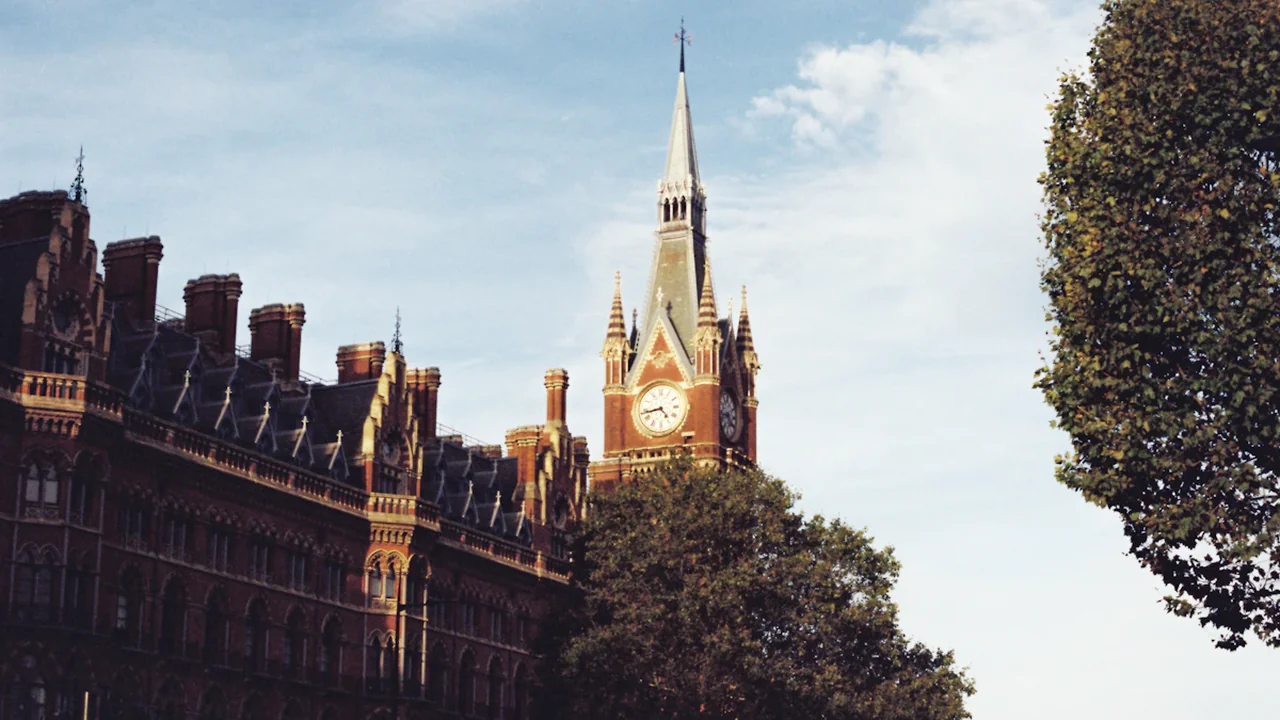
The UK moved from British Summer Time (BST) to Greenwich Mean Time (GMT) on Sunday 25 October 2026, turning clocks back by one hour. The change applies across the UK; in the days afterward, check any clocks that did not update, allow for darker evenings when travelling, and give yourself time to settle into your usual schedule. The UK Government lists the official clock-change dates on its clock changes page.
The UK clock change took place on 25 October
At the autumn change, clocks went back one hour as the UK returned to GMT from BST. The change is UK-wide, but the practical effect depends on your routine: someone travelling early, finishing work in the evening or caring for others may need different adjustments.
The repeated hour can also cause confusion with appointments, alarms or travel plans. When checking anything scheduled around the transition, use the local time shown by the relevant service and confirm that your device has the correct time and time zone.
Check clocks, alarms and household devices
Many phones, computers and internet-connected devices update their time automatically when they have the correct time zone and an active connection. It is still sensible to check the displayed time after a clock change, especially before relying on an alarm or leaving for an appointment.
Some clocks and appliances do not connect to a time service and may need to be adjusted by hand. Check the devices you use regularly, including:
- Wall clocks, watches and alarm clocks
- Car clocks and dashboard displays
- Ovens, microwaves and other appliances with a clock display
- Timers or heating controls that use a displayed schedule
If a device is wrong, check its manual for the time-setting controls. For connected devices, confirm the time zone and automatic date-and-time setting before changing the time manually; a manual adjustment can be overwritten by a later automatic update.
Plan journeys around darker evenings
The clocks going back shifts the displayed time, so evening light arrives earlier by the clock. If your commute, school run or regular walk takes place late in the day, check the expected conditions for your journey and allow time to make any practical changes.
Before setting out, check your transport provider or route information for current departure times. For a walk or cycle, choose a route that suits the light and conditions, and make sure you can be seen where traffic is present. Drivers should pay attention to visibility and road conditions, which can vary with weather and location.
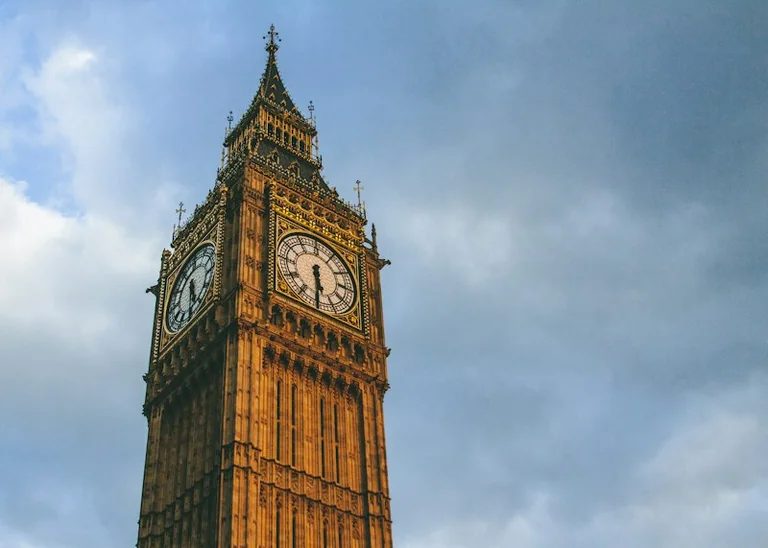
The time change does not alter every person’s journey in the same way. A fixed morning shift, a flexible workday and an evening commute each call for different checks; focus on the parts of your own route that happen in lower light or depend on a correctly set clock.
Ease your schedule into the new time
The clock change can leave routines feeling out of step for a few days, particularly when work, school, meals or sleep follow a fixed timetable. Keep your usual schedule in view and make small adjustments that suit your circumstances rather than assuming one approach will work for everyone.
If you use an alarm, check it against a reliable time display before bed. If you have an early journey or an important appointment, confirm the departure or start time with the organiser or travel service and set a backup reminder if that helps you.
People who work shifts or coordinate care with others may want to check how the change affects handovers and schedules. Where a rota or appointment system records a specific time, ask the relevant organiser if anything is unclear.
Make a quick post-change check
A short check can prevent avoidable mix-ups during the first days after the transition:
- Confirm the time and time zone on your phone or computer.
- Check alarms, manual clocks, car displays and appliance clocks you rely on.
- Review upcoming appointments, shifts and travel times in the relevant service.
- Consider whether an evening journey now takes place in lower light.
- Revisit your daily schedule and adjust it gradually if the changed timing feels disruptive.
The UK Government’s clock-change page is the place to check the official dates. For the routine changes that follow, use the time shown on your device and the latest information from your travel provider, workplace or appointment organiser.
Source: UK Government
Context & actions About this article
Source check Date and practical guidance
The UK Government page lists the autumn clock-change dates; device and travel advice reflects practical checks that depend on individual routines.
- Confirm the 2026 autumn change date on the UK Government page.
- Check automatic time settings and manually set clocks.
- Verify current journey times with your transport provider.
- Source
- UK Government
- Scope
- United Kingdom
- Updated
- 2026-10-27 10:49
Source check
Report a trust issue
Send a clear signal to community moderation if the source, facts or context need review.


Comments