Why British Summer Time Ends on 25 October 2026
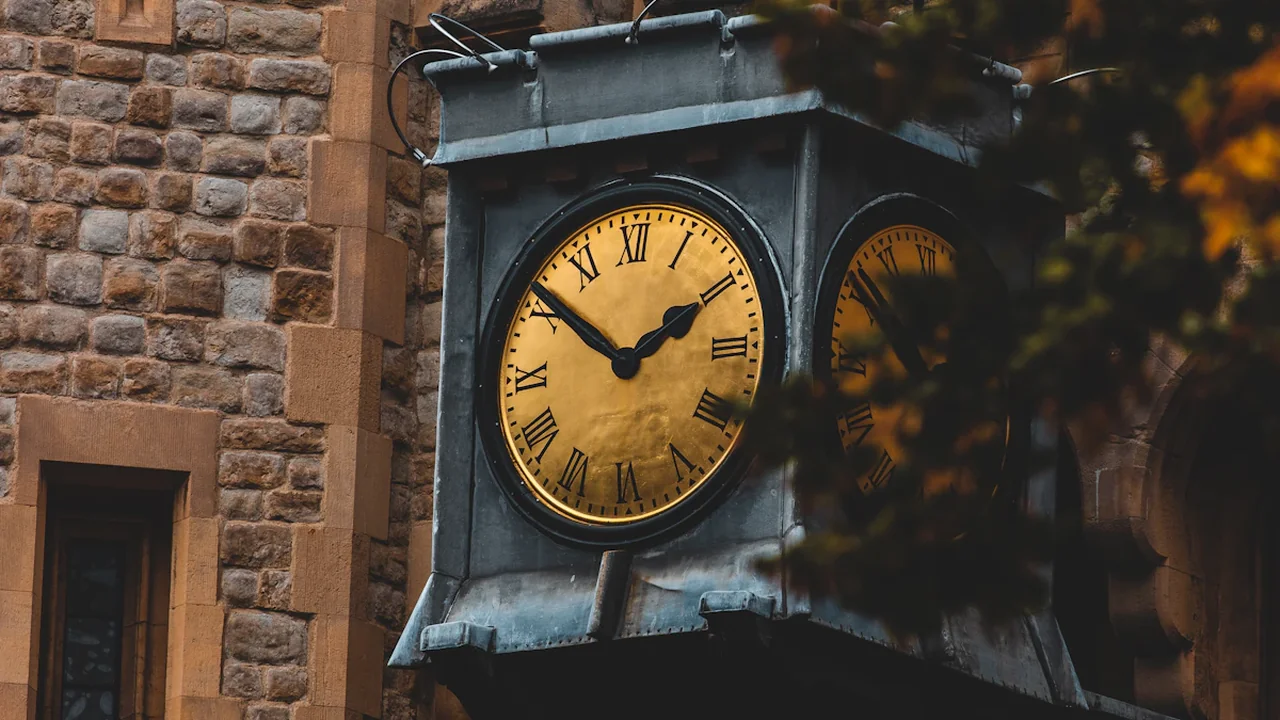
When British Summer Time ends on Sunday 25 October 2026, clocks across the UK go back one hour: at 2am, they return to 1am Greenwich Mean Time. The change gives people an extra hour by the clock overnight and shifts daylight towards the morning, while evenings become darker earlier. The Summer Time Act 1972 provides the current statutory framework for summer time in Great Britain.
When the clocks change in October 2026
The autumn change takes place on the last Sunday in October. In 2026, that is 25 October. At 2am British Summer Time, clocks go back to 1am GMT, and the UK returns to Greenwich Mean Time.
The change applies to the UK’s seasonal clock system. Government clock-change guidance gives the practical rule: when British Summer Time ends, clocks go back by one hour. Many internet-connected devices adjust automatically, but people may need to reset clocks on appliances or watches by hand. It is useful to check those devices if their displayed time matters for a Sunday morning appointment or journey.
Why the UK uses seasonal time
British Summer Time is the name for the period when clocks are set one hour ahead of GMT. Moving clocks forward in spring and back in autumn changes the clock time attached to daylight; it does not change how much daylight there is in a day. The autumn adjustment returns the clock to GMT rather than adding daylight to the day.
That distinction explains the familiar change in the pattern of daylight. After the October adjustment, sunrise and sunset both occur about an hour earlier by the clock than they did the day before. Mornings are lighter for a time, while sunset comes earlier and evenings become darker sooner. The daylight itself has not been lengthened or shortened by changing the clocks; its position against the clock has shifted.
Seasonal timekeeping developed through a wider history of proposals and practical debate about how people could make more use of daylight. Its origins should not be reduced to one inventor or a single motive. The convention emerged through public discussion and legislation, and its effects have been considered in connection with work, travel, daily schedules and daylight.

What the Summer Time Act 1972 provides
The Summer Time Act 1972 sets out the statutory basis relating to summer time in Great Britain. It is the current legal framework identified for the seasonal arrangement. The Act’s role is distinct from the longer history of proposals and campaigns that preceded it: the history helps explain how the convention developed, while the Act supplies its statutory basis.
The familiar autumn change is the practical effect of the seasonal system. When the summer period ends, clocks return to GMT. The October date follows the rule that the change falls on the last Sunday of the month, placing the 2026 transition on 25 October. The source for this legal framework is the Summer Time Act 1972 on legislation.gov.uk.
How the change affects daily life
For many people, the most noticeable effect is where daylight falls around the start and end of the day. The shift can mean brighter mornings for a time and earlier sunsets by the clock. It does not provide an extra hour of sunlight, even though the night of the change contains an extra hour on the clock.
The clocks move from 1am back to 1am, so the period between 1am and 2am happens twice. Digital schedules and records may display that repeated hour differently. People coordinating appointments or travel early on Sunday may want to account for the change, particularly if they rely on a clock that does not update automatically.
After 25 October, the UK is on GMT until the next seasonal transition, when clocks return to British Summer Time in spring. For this autumn change, the key action is simple: at 2am on 25 October 2026, set clocks back to 1am.
Source: legislation.gov.uk
Context & actions About this article
Source check Sources and context
The legal framework comes from the Summer Time Act 1972, while UK Government guidance states that clocks go back one hour when British Summer Time ends.
- The Summer Time Act 1972 provides the statutory basis for summer time in Great Britain.
- The UK Government says clocks go back one hour at the end of British Summer Time.
- In 2026, the last Sunday in October is 25 October.
- Source
- UK Government
- Scope
- United Kingdom
- Updated
- 2026-10-25 09:57
Source check
Report a trust issue
Send a clear signal to community moderation if the source, facts or context need review.



Comments