How the Great Fire of 1666 Reshaped the City of London
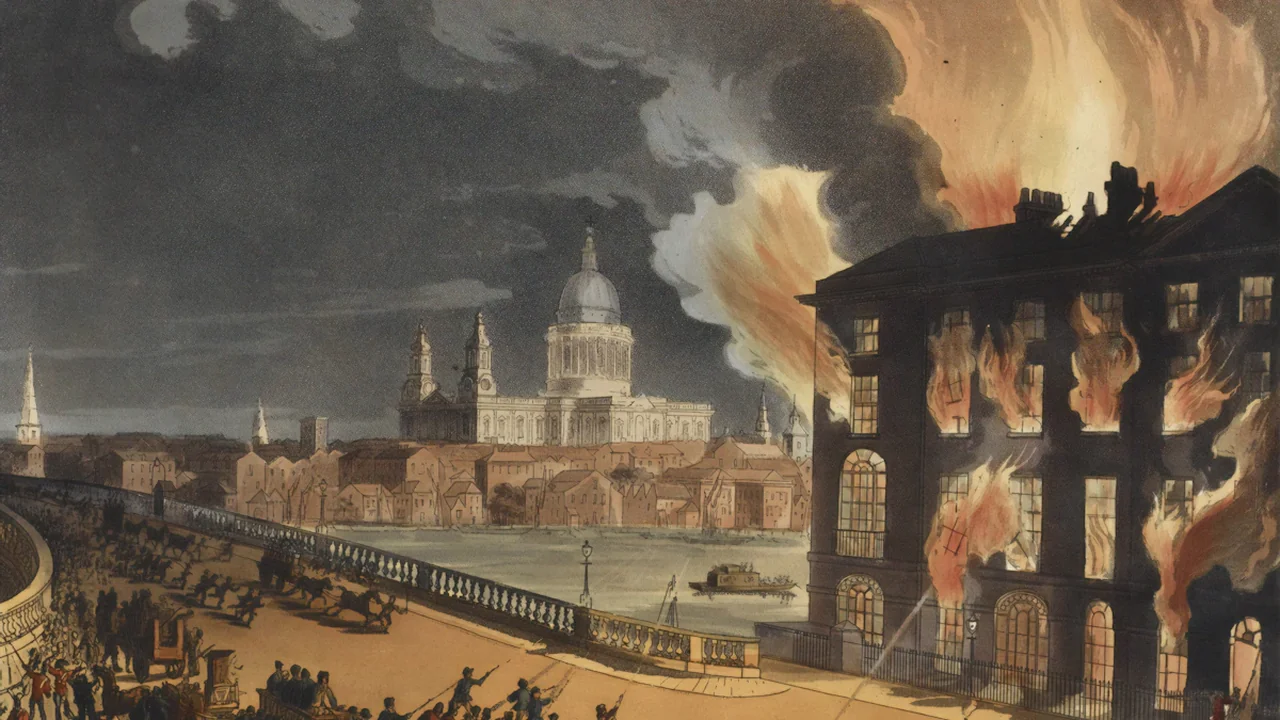
The Great Fire began in Pudding Lane on 2 September 1666 and destroyed much of the City of London over several days. The latest milestone in its story is the rebuilding that followed: new rules changed how buildings were made, while the City’s street plan was reshaped within the limits of existing ownership and recovery. Londoners returned to a familiar city that was being rebuilt in practical ways, rather than to a completely new design.
2 September: a fire starts in Pudding Lane
The fire began in a bakery in Pudding Lane, in the eastern part of the City. London’s closely packed buildings, many built with timber and other combustible materials, helped the flames spread. The Museum of London’s historical materials document the fire’s origins and course.
The fire did not start in a grand public building or by a proven act of sabotage. Familiar stories about the disaster should be treated carefully: a bakery fire is the better-grounded account, while later claims assigning blame should not be presented as established fact.
Several days of destruction across the City
For several days, flames moved through a dense urban landscape. Buildings stood close together and narrow streets made it difficult to contain a fire once it took hold. Wind and the challenge of coordinating a response added to the difficulty of stopping its spread.
Homes, businesses and prominent buildings were destroyed. St Paul’s Cathedral, then an older structure, was damaged; the better-known replacement designed by Christopher Wren came later. The destruction made rebuilding a citywide question, not simply a matter of replacing individual houses.
The broad chronology is clearer than every detail of how people experienced the fire. Historical accounts and records establish its starting point, spread and effects, but they do not make every later anecdote or precise claim about the flames equally certain. That distinction matters when separating the documented course of the disaster from stories that became attached to it over time.
Rebuilding changed streets and buildings
After the fire, proposals emerged to redesign London with wider streets and a more regular plan. The City did not become a wholly new grid. Reconstruction had to work around familiar property lines, ownership and the practical demands of recovery. Ambitious plans therefore met the limits of what could be changed on the ground.
The rebuilding rules also addressed materials and construction. Brick and stone became more important, while restrictions on timber construction helped reduce the risk of another fast-moving urban fire. These changes affected the buildings Londoners used and saw every day, but they did not make the city fireproof.
A rebuilt city, not a blank slate
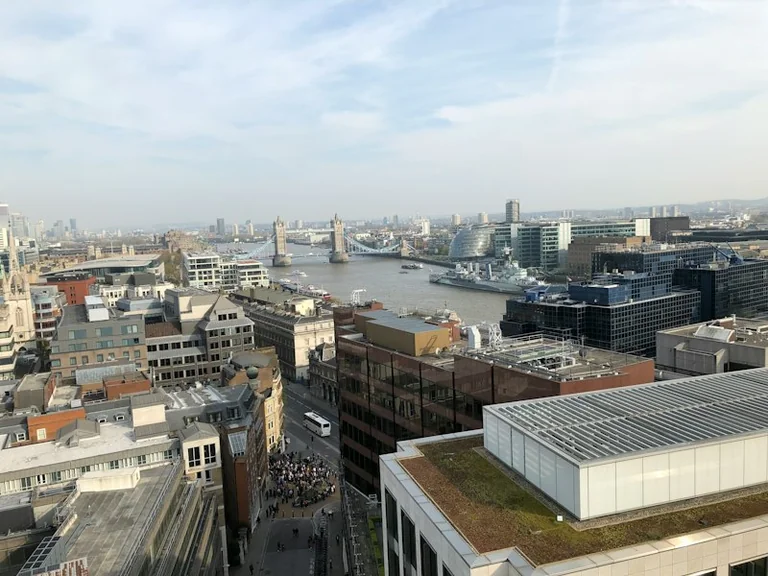
The fire created an opportunity to rethink parts of the City, but reconstruction was not a complete reset. Streets were adjusted and buildings replaced, while the needs of residents, merchants and landowners shaped what could actually be built. The resulting layout combined reform with continuity: London changed, but its older pattern was not erased.
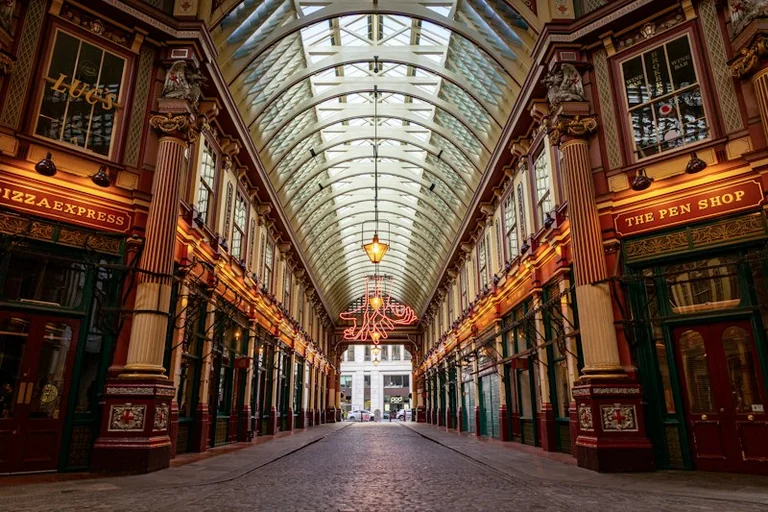
That distinction explains why the fire’s effect on urban planning was substantial without being total. The proposals for a more regular city show the scale of the opportunity people saw after the destruction; the practical rebuilding shows how existing streets and property constrained the result. The changes were visible in both the street environment and the way new buildings were put together.
How the rebuilding shaped fire safety
The post-fire rules marked an early turn toward limiting how easily flames could spread between buildings. In a tightly packed district, materials and construction mattered beyond the individual structure where a fire began. The rebuilding made these concerns part of how the City was reconstructed, even though later fire safety measures developed over time.
The Great Fire is best understood as an important precedent, rather than the sole origin of modern fire services or regulations. Its legacy can be traced in the decisions made during reconstruction: different building standards, an altered street environment and a lasting question about how a dense city can balance continuity with safety.
The next verifiable milestone is the rebuilding of the City itself, including the new St Paul’s Cathedral, designed by Christopher Wren and completed in the early 18th century.
Source: Museum of London
Context & actions About this article
Source check Historical context
The account follows the Museum of London’s historical material on the fire’s origins, course and effects, while distinguishing documented history from later legend.
- Fire began in Pudding Lane on 2 September 1666
- The fire spread through and destroyed much of the City
- Rebuilding affected building materials and street plans
- Source
- Museum of London
- Scope
- City of London, England
- Updated
- 2026-10-20 08:26
Source check
Report a trust issue
Send a clear signal to community moderation if the source, facts or context need review.

Comments