The Great Storm of 1987: Met Office Timeline and Lessons
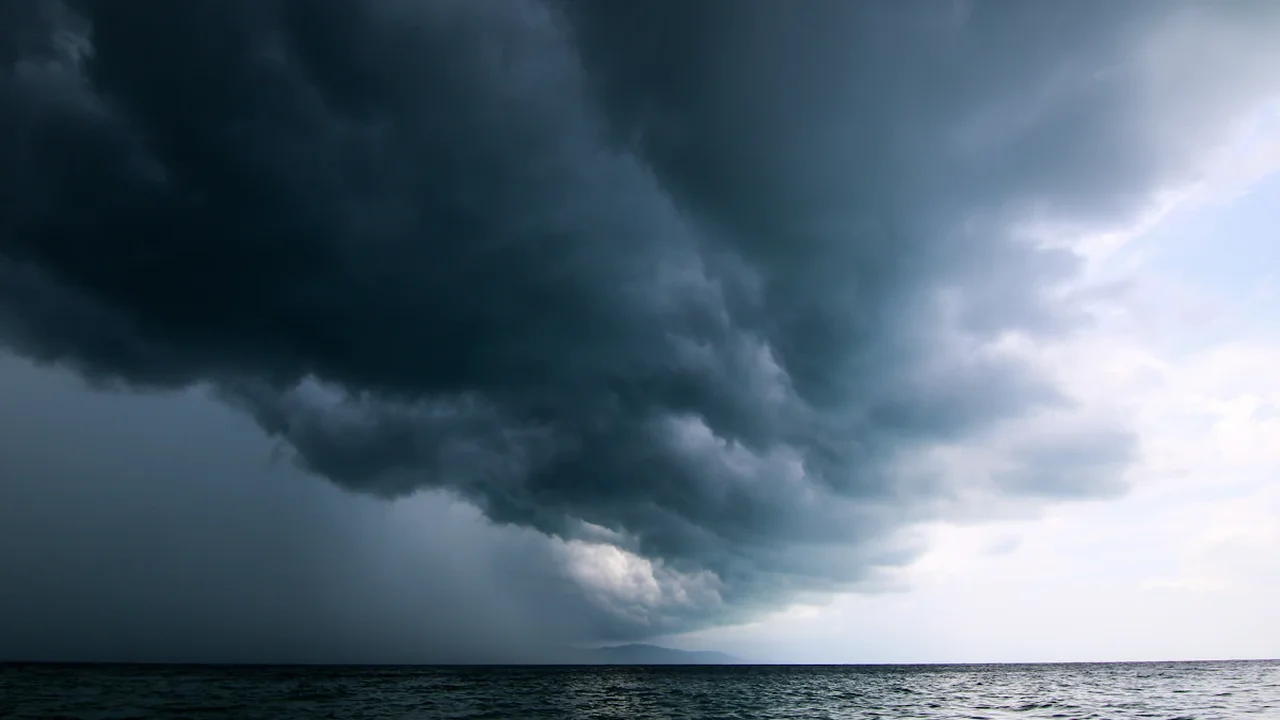
The Met Office records the Great Storm as a major event on 15–16 October 1987, with lasting lessons about forecasting, public warnings and preparation. Its chronology helps explain what happened in Britain and why people should use current forecasts for current decisions; it does not predict today’s weather or measure present-day climate risk.
What the Met Office chronology records
The storm crossed the United Kingdom overnight from 15 to 16 October 1987. The Met Office case study sets the event in its meteorological context and documents its passage as a defining episode in British weather history. That account is the basis for understanding the event here; it does not, by itself, support details that are absent from the chronology.
The anniversary frame makes the forecast record relevant alongside the weather itself. The storm is often remembered through its effects, while the chronology also raises questions about what forecasts and warnings communicated before it arrived. These are related but distinct matters: a record of the storm’s passage describes the event, while claims about warning wording, timing or public response need evidence specific to those subjects.
Read also: Met Office UK forecast: check local conditions before Saturday trips
15–16 October 1987: the event and its impact
The Great Storm had broad consequences across Britain. Its scale made it a public safety concern as well as a notable meteorological event, bringing the practical value of timely information into focus for households, transport and other parts of everyday life. In severe weather, people may need to reconsider travel or other plans, so clear information about hazards can help them make decisions.
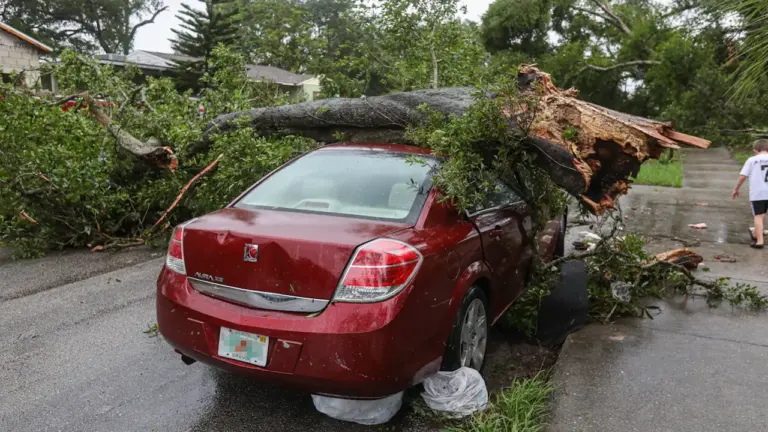
The Met Office account provides the starting point for understanding the storm’s chronology and weather context. The impact should be described in proportion to what that record establishes: the event was significant, but a historical explainer should not add casualty totals, damage figures or local details without reliable evidence for them. The broad public significance is clear from the source framing; more precise accounts require supporting records.
Forecasts, warnings and preparedness
The Great Storm is frequently discussed in relation to forecasting and public warnings. The central lesson is not that forecasts can prevent severe weather. It is that useful forecasts need to communicate hazards clearly, and people need to know where to find authoritative updates and how to respond to them. The anniversary is a prompt to consider the public role of warnings, not evidence for a specific claim about how well each warning performed in 1987.
Preparedness also depends on practical decisions made before conditions deteriorate. When a current warning applies, people can check its area and timing, follow the advice provided, and consider how severe weather may affect travel or essential plans. The 1987 event gives historical context for why those steps matter; today’s instructions should come from current official guidance.
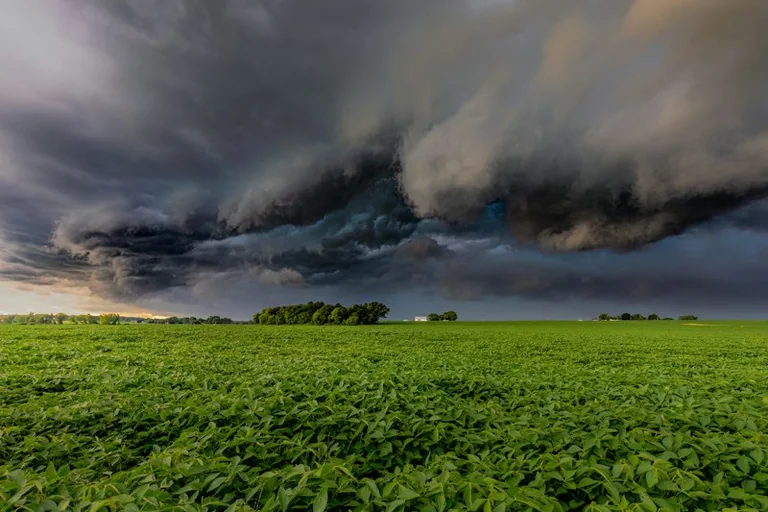
A careful account distinguishes the forecast record from later interpretations of it. The Met Office chronology is the relevant place to examine what it says about the event and its forecasting context. Broad statements about lessons are useful, but they should not be presented as exact quotations or detailed claims about warning performance unless the source supports them.
What a storm in 1987 cannot prove about weather today
The Great Storm is one historical event. By itself, it cannot establish what weather Britain will experience now, whether a particular future storm is likely, or how current climate risk should be measured. Those questions require contemporary observations, forecasts and appropriate climate evidence. A past event can provide context for public understanding, but it is not a substitute for evidence suited to present conditions.
That distinction keeps the anniversary useful without turning it into a forecast. The storm helps explain why weather information and preparedness matter. It cannot substitute for checking a current forecast or warning, and it should not be used as a direct measure of present-day risk.
The next useful check is today’s official forecast
For decisions about travel, outdoor work or safety, check the latest Met Office forecast and warnings for the relevant location. Pay attention to the affected area, valid times and advice, then follow updated information as conditions change.
The next historical milestone is the Met Office case study’s chronology of 15–16 October 1987, which provides the grounded account of the storm and its meteorological context. For decisions now, use current forecasts and warnings.
Source: Met Office
Context & actions About this article
Source check Historical context
This article uses the Met Office account of the 15–16 October 1987 storm as historical context, not as a current forecast or measure of climate risk.
- Storm dates: 15–16 October 1987
- Meteorological context: Met Office case study
- For present conditions: check current local forecasts and warnings
- Source
- Met Office
- Scope
- United Kingdom
- Updated
- 2026-10-24 09:45
Source check
Report a trust issue
Send a clear signal to community moderation if the source, facts or context need review.



Comments