Why Exam Dreams Can Return Years After School
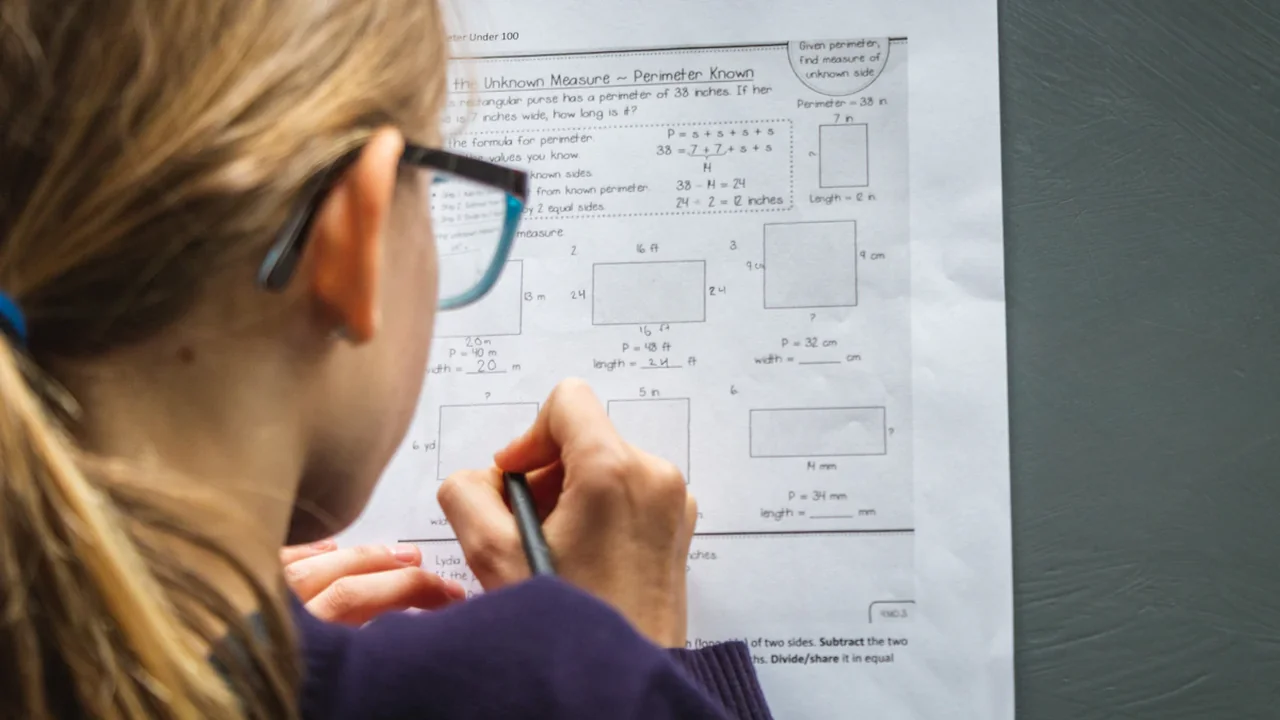
Exam dreams can return in adulthood when a present-day situation brings back the pressure of being tested, judged or short on time. They do not have one fixed meaning: the useful clue is often what feels like an exam in your life now, whether that is a work deadline, an interview, an appraisal or a demanding caregiving role.
Why an old school exam can feel current
Dreams can draw on familiar memories while reflecting recent concerns. Sleep research has found that emotionally important experiences and waking concerns can feature in dreams, but it does not provide a universal code for interpreting them. An exam dream may be a way your mind stages pressure; it cannot diagnose a condition or prove what you feel.
School is a particularly recognisable setting for evaluation. Many people remember waiting outside an exam hall, checking a timetable, turning over a question paper, or realising they have revised the wrong subject. In the UK, memories may be tied to GCSEs or A-levels, a strict invigilator, the ticking clock and the instruction not to turn the paper over until told.
Those details can make a dream vivid, but they do not mean you want to return to school. A familiar scene can give shape to a newer feeling: being assessed, needing to perform, or worrying that preparation will not be enough.
Common themes in exam dreams
The details vary, but recurring exam dreams often have a similar emotional structure: a task matters, time or information is missing, and someone may judge the result.
- Arriving late or missing the exam: You may be feeling squeezed by competing demands or worried about a deadline.
- Sitting an exam you did not know about: A new responsibility may feel as if it arrived without enough preparation.
- Being unable to answer: You might be uncertain about what is expected or concerned that you lack control.
- Taking the wrong subject or being in the wrong room: The situation may feel mismatched with your skills, role or priorities.
- Finishing while others are still writing: Comparison or fear of falling behind may be part of the pressure.
These are prompts for reflection, not definitions. The same dream detail can mean different things to different people, and sometimes a dream is simply a dream.
Present-day pressures that can bring the dream back
An exam dream may surface around an event with a clear standard or consequence. A presentation, performance review, job interview, qualification, court appearance or important appointment can all create a sense of being evaluated. So can situations that do not look like tests from the outside.
A parent caring for a child or an adult relative, for example, may feel responsible for making the right decisions with little room for error. A work deadline can revive the feeling of running out of time; an appraisal may echo the worry that someone else will decide whether your effort was good enough. The link is personal, so look for what was happening before the dream rather than assuming a symbol has a set meaning.
Stress can also be cumulative. One difficult day may not explain a recurring dream, while several weeks of interrupted sleep, uncertainty or heavy responsibility might. Notice whether the dreams cluster around particular conversations, dates or decisions.
A short reflection exercise to find the current stressor
After waking, jot down the dream and the feeling it left behind. Keep it brief; you do not need to interpret every detail. Then ask:
- What was the strongest feeling? Panic, embarrassment, frustration, confusion or determination can point to different concerns.
- Where does that feeling show up this week? Think about work, study, relationships, health appointments or caregiving.
- What feels like it will be judged? Name the task, decision or expectation as concretely as you can.
- What would help in waking life? A clearer deadline, a conversation about expectations, practical support or time to prepare may be more useful than trying to decode the dream.
If one current pressure stands out, choose a small next step: confirm what is expected, break a deadline into stages, practise for an interview, or ask someone to share a caregiving task. The aim is not to stop a particular dream on command; it is to identify whether a real concern needs attention.
When recurring dreams are affecting sleep
If the dreams are frequent, upsetting or making it harder to sleep, consider speaking with a GP or another qualified health professional. This is especially reasonable if they occur alongside significant distress or difficulties during the day. A recurring exam dream on its own does not establish a mental health diagnosis.
A steady wind-down routine and a regular sleep schedule may support sleep, but they cannot resolve every source of stress. If you keep a dream note, include what was happening in your life and how rested you feel, rather than treating the dream as a prediction or a test you have failed.
Source: Editorial research
Context & actions About this article
Source check Interpretation note
Dream themes can reflect waking concerns, but their meanings are personal and are not a diagnostic tool.
- Notice feelings and events around the time the dream occurs
- Treat suggested themes as reflection prompts, not fixed meanings
- Seek professional support if recurring dreams cause significant distress or disrupt sleep
- Scope
- United Kingdom
- Updated
- 2026-10-16 08:24
Source check
Report a trust issue
Send a clear signal to community moderation if the source, facts or context need review.




Comments