Dreaming of Autumn Leaves: Endings, Gratitude and Making Space
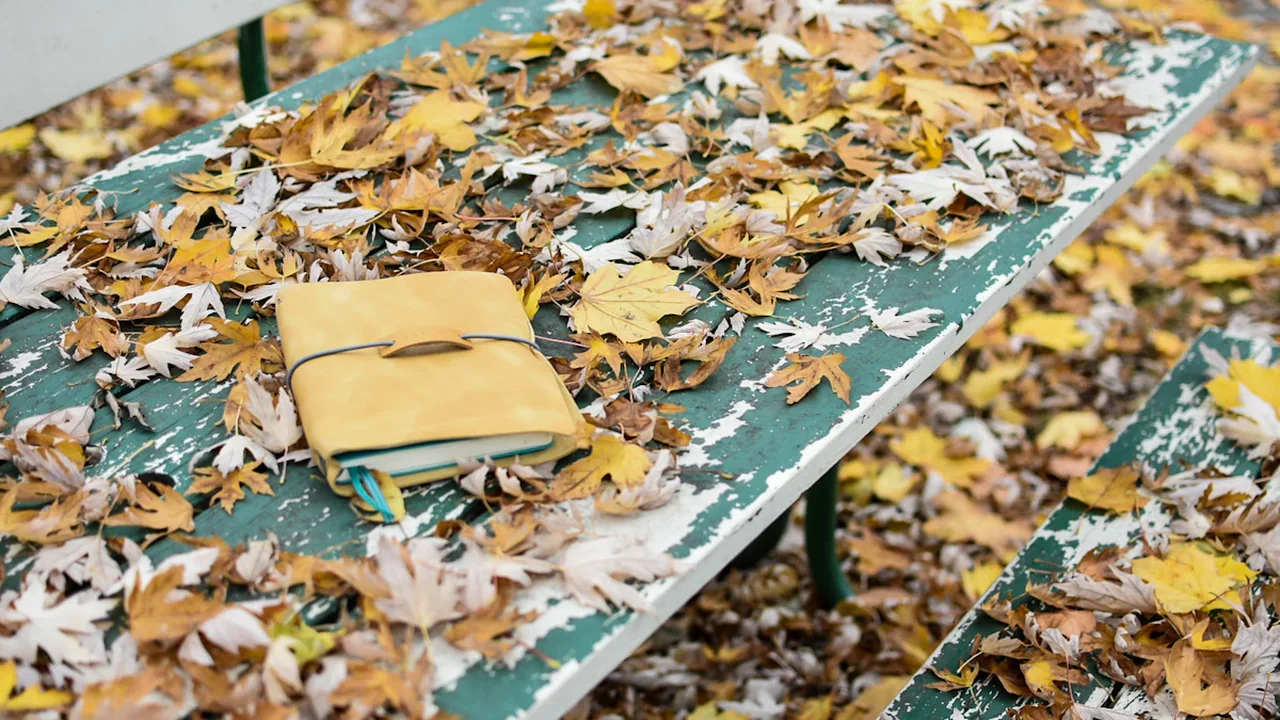
Dreaming of autumn leaves can offer a gentle prompt to consider change: what may be ending, what deserves gratitude, and what you are ready to put down. It is not a fixed prediction or universal symbol; the meaning depends on the dream’s details and on what is happening in your waking life.
Why falling leaves can suggest change
Leaves change color, detach from branches and gather on the ground as the seasons turn. In a dream, that familiar cycle may bring to mind a transition: a habit losing its place, a commitment reaching its natural end, or a period of life that is becoming something else.
The image does not have to mean loss. A tree that sheds leaves is not simply failing; the scene can also suggest rest, renewal or making room. Consider the feeling in the dream before assigning it a meaning. Falling leaves might feel peaceful, lonely, beautiful, unsettling or ordinary, and each response points toward a different personal association.
Read also: Dreaming About Falling: Stress, Change and Personal Meaning
Details matter, too. Were the leaves bright and intact, wet and heavy, or already breaking down? Were you watching them fall, gathering them, walking through them or trying to stop them? These questions are a way to explore your own associations, not a code that produces one correct answer.
Autumn leaves in poetry and folklore
Across poems and seasonal storytelling, autumn leaves often carry several meanings at once. Their color can make change visible; their fall can suggest time passing, departure or mortality. Yet the same scene can be vivid and beautiful, connecting an ending with appreciation for what came before it.

Folklore is not one shared system with a single interpretation for every falling leaf. Customs and stories vary across places and communities. Rather than treating a dream as a message from a tradition you may not know, you can notice how familiar autumn images work in the stories and landscapes you grew up with.
A dream might echo a poem, a walk through a local park, a family memory of raking leaves or the first cold evening of the year. Those personal connections can be more useful than a generic dream dictionary. Ask what autumn means to you: comfort, change, school starting, harvest, a particular place, or simply a change in the light.
Gratitude without holding on
Thinking about what you value does not require you to keep every commitment or preserve every stage of life. Gratitude can make an ending clearer: you can appreciate what a friendship, routine or project gave you while recognizing that it may no longer fit.
If the dream leaves you feeling sad, that does not mean you should rush to let something go. Sadness can be part of noticing that something matters. If it feels peaceful, you might be ready for a small practical change. Either way, use the dream as a starting point for reflection rather than proof that a decision has already been made.

Journal prompts for making space
Set aside a few minutes to describe the dream plainly before interpreting it. Record what happened, what you felt and which detail stayed with you. Then try one or two prompts:
- What in my life feels as though it has reached the end of a season?
- Which habit or obligation still serves me, and which one feels automatic?
- What am I grateful to have experienced, even if it is changing now?
- Is there a possession I keep from guilt, habit or an old version of myself?
- What could I release gently, without making a dramatic decision today?
- What would I like to make room for in the coming weeks?
Keep the answers specific. “I need more space” may become “I will leave one evening unscheduled,” while “I have too much” may become “I will choose one shelf to sort.” A modest next step can turn reflection into something manageable.
Let the dream remain open
Dreams do not come with a reliable universal key, and one image can mean different things at different times. Autumn leaves may bring up change for one person and a favorite place or memory for another. You can return to the notes after a few days and see whether your interpretation still feels relevant.
The most useful question may be simple: what am I ready to appreciate, and what am I ready to make room for? You do not have to answer it all at once. Sometimes noticing the season is enough to begin.
Source: Editorial research
Context & actions About this article
Source check Interpretive context
This article treats autumn leaves as a flexible cultural image and reflection prompt, not as a universal dream interpretation.
- Scope
- International
- Updated
- 2026-10-26 11:33
Source check
Report a trust issue
Send a clear signal to community moderation if the source, facts or context need review.




Comments