EU Entry/Exit System: checks for British travellers
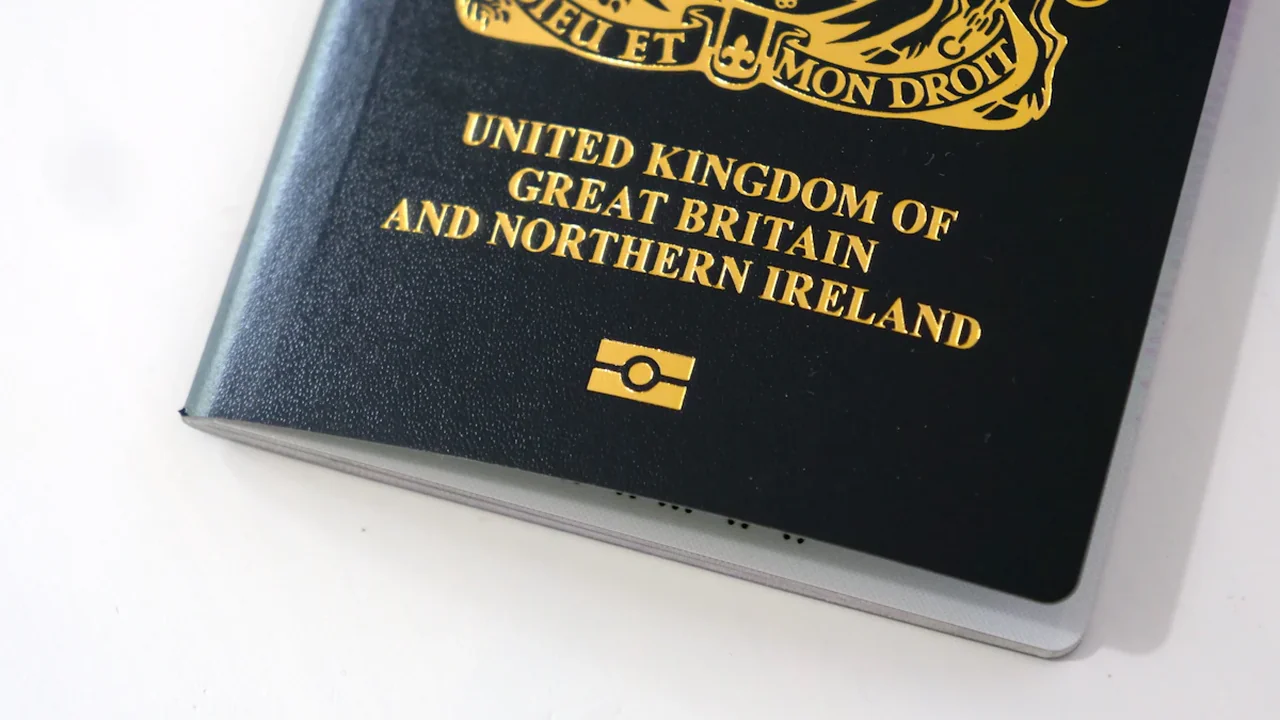
British citizens travelling to the Schengen area should check whether their passport and route meet current entry procedures, and follow their transport operator’s instructions for border processing. The EU Entry/Exit System (EES) started on 12 October 2025; it records the entry and exit of eligible non-EU travellers, including British visitors. EES registration is separate from ETIAS travel authorisation.
Check whether EES applies to your trip
EES applies to eligible non-EU nationals travelling for a short stay to the Schengen area. British passport holders are generally treated as non-EU nationals for these visits. The system records travel across the external Schengen border; it does not replace the destination country’s entry requirements.
Before departure, check the UK government’s EES guidance and the foreign travel advice for your destination. Confirm that your passport is valid for the trip and review any country-specific rules, including conditions that may apply to your circumstances.

Expect registration at the border
EES registration involves collecting personal details and biometric information, such as a facial image and fingerprints, for travellers covered by the system. Border officials use the system to record entry and exit. Follow instructions from border staff and your transport operator about where and when checks take place.
The point of processing depends on your route. Some travellers complete checks at a departure point before boarding; others are processed at the external Schengen border on arrival. For example, a route using juxtaposed controls may involve checks before departure. Ask your carrier which procedure applies to your journey rather than assuming every airport, port or rail route works the same way.

Keep EES separate from ETIAS
EES is a border registration system. ETIAS is a separate travel authorisation for visa-exempt visitors travelling to participating European countries. The UK government explains the two separately, and their requirements and implementation dates are not interchangeable. Check the latest official ETIAS information before relying on a previous trip or an older travel checklist.
Make these checks before setting off
- Read the UK government’s EES guidance and destination-specific travel advice.
- Check your passport and any entry conditions that apply to your destination and circumstances.
- Ask your airline, ferry operator, rail company or other carrier where border checks will happen and what instructions apply.
- Check official ETIAS information separately if it may apply to your planned travel.
Requirements and procedures can depend on nationality, residence, route and the purpose or length of a stay. Use the destination’s current official advice and your operator’s journey-specific guidance when planning.
Source: Foreign, Commonwealth & Development Office and Cabinet Office
Context & actions About this article
Source check Official travel guidance
The UK government provides EES guidance and destination-specific advice; border procedures depend on the route and current official requirements.
- EES start date and traveller guidance
- Destination-specific entry requirements
- Route-specific border instructions from the transport operator
- Source
- Foreign, Commonwealth & Development Office
- Scope
- European Union and Schengen area
- Updated
- 2026-10-08 13:41
Source check
Report a trust issue
Send a clear signal to community moderation if the source, facts or context need review.



Comments