How the 1605 Gunpowder Plot Became Bonfire Night
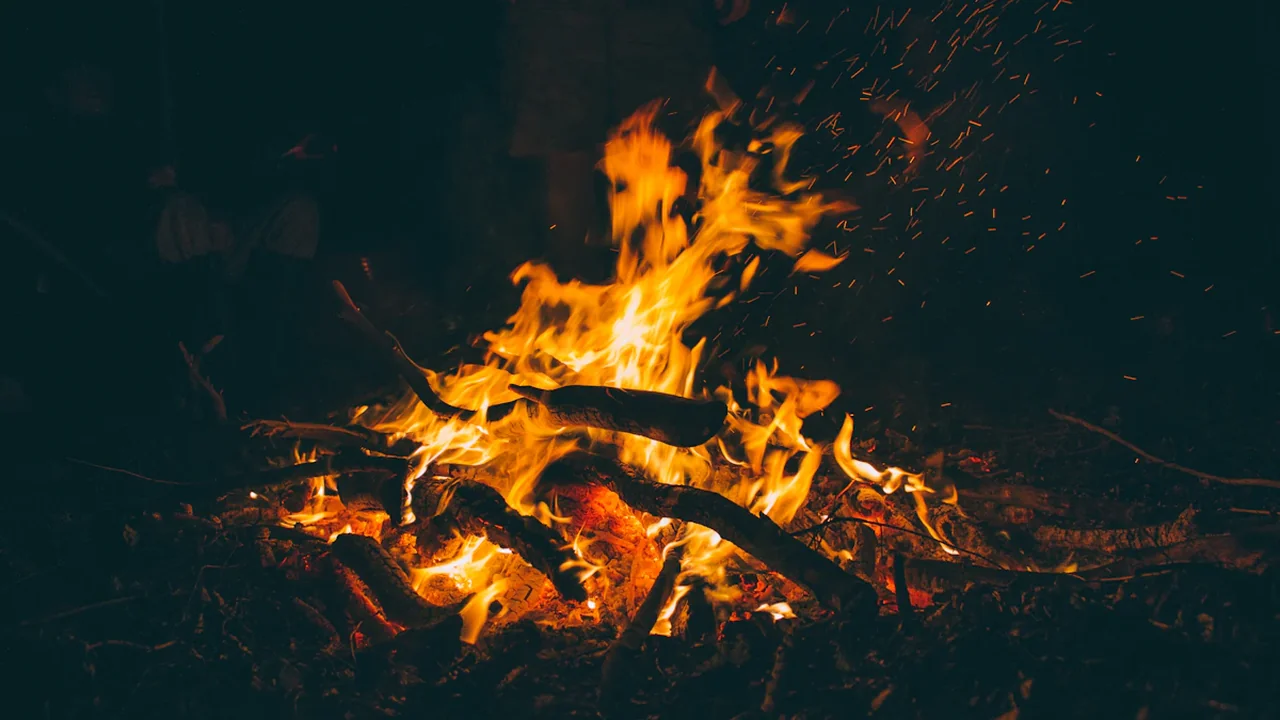
Every 5 November, bonfires and fireworks mark the anniversary of a failed attempt to blow up Parliament. With the next observance approaching on 5 November 2026, it is useful to distinguish the documented events of 1605 from the customs that later grew around their anniversary. The UK Parliament’s historical account describes a conspiracy to destroy the House of Lords during the State Opening of Parliament. Today’s community displays commemorate that failure; they are not a reconstruction of what happened that night.
1605: a plan to blow up the House of Lords
Guy Fawkes was one of several conspirators who planned to destroy the House of Lords during the State Opening of Parliament. Their plan depended on gunpowder stored beneath the building. Parliament, assembled for the State Opening, was the intended target—not a bonfire or fireworks display.
The UK Parliament’s account identifies the conspiracy as a plot to blow up the House of Lords in 1605. The attack was discovered before the conspirators could carry it out. That distinction matters: the anniversary recalls a planned attack that failed, rather than an explosion or damage to Parliament.
Fawkes is especially associated with the plot because he was found guarding the gunpowder. He was not the only conspirator, so the familiar name “Guy Fawkes” should not obscure that the plan involved a group.
The discovery came before the planned attack
The plot was exposed before the State Opening. Fawkes was found at the site with the gunpowder, and the intended attack did not take place. The discovery, rather than a successful attack, is the pivotal event behind the date’s commemoration.
The historical account establishes the central sequence: conspirators planned to destroy the House of Lords, gunpowder was stored beneath it, and authorities discovered the plan in time. It does not, by itself, explain every later custom or establish how celebrations developed in each community. Keeping those points separate helps avoid treating present-day Bonfire Night as a direct record of the events of 1605.

How 5 November became Bonfire Night
The anniversary became an annual observance, and bonfires came to be associated with 5 November. Fireworks are now another familiar part of Bonfire Night. These customs give the anniversary its present seasonal character, while the historical event they recall remains the failed plot against Parliament.
The available account does not establish when every element of today’s celebrations began or how practices varied from place to place. It is therefore more accurate to describe bonfires and fireworks as later ways of marking the date than to assign them a precise origin based on this account. The tradition connects modern gatherings with the discovery of the plot, but a local display is not a reenactment of the conspiracy.
What to check before a local display
Bonfire Night is observed across Britain, but event arrangements can differ by place. A national history of the Gunpowder Plot cannot confirm a particular display’s date, venue, timings or access details. Anyone planning to attend should check the current listing from the event organiser or the relevant local authority as 5 November approaches.
Check that listing for the confirmed date, start time and venue, as well as entry arrangements, accessibility information and any age guidance. It may also provide transport, road closure or parking details, and notices about cancellations or programme changes. These details are specific to each event, so arrangements published for one town or venue do not establish what is happening elsewhere.
The next milestone is 5 November 2026
The annual observance falls on 5 November, the date associated with the discovery of the plot in 1605. The next one is 5 November 2026. As that date approaches, the useful next step for anyone considering a local event is to check the organiser’s or council’s current listing for confirmed arrangements.
Source: UK Parliament
Context & actions About this article
Source check Historical context
The historical account supports the plot’s target, timing and discovery; present-day event arrangements need to be checked locally.
- The plot targeted the House of Lords during the State Opening of Parliament.
- Authorities discovered the conspiracy before it could be carried out.
- Local Bonfire Night event details vary and should be checked with the organiser.
- Source
- UK Parliament
- Scope
- United Kingdom
- Updated
- 2026-10-28 10:59
Source check
Report a trust issue
Send a clear signal to community moderation if the source, facts or context need review.



Comments