How the 1929 Wall Street Crash Reached Britain
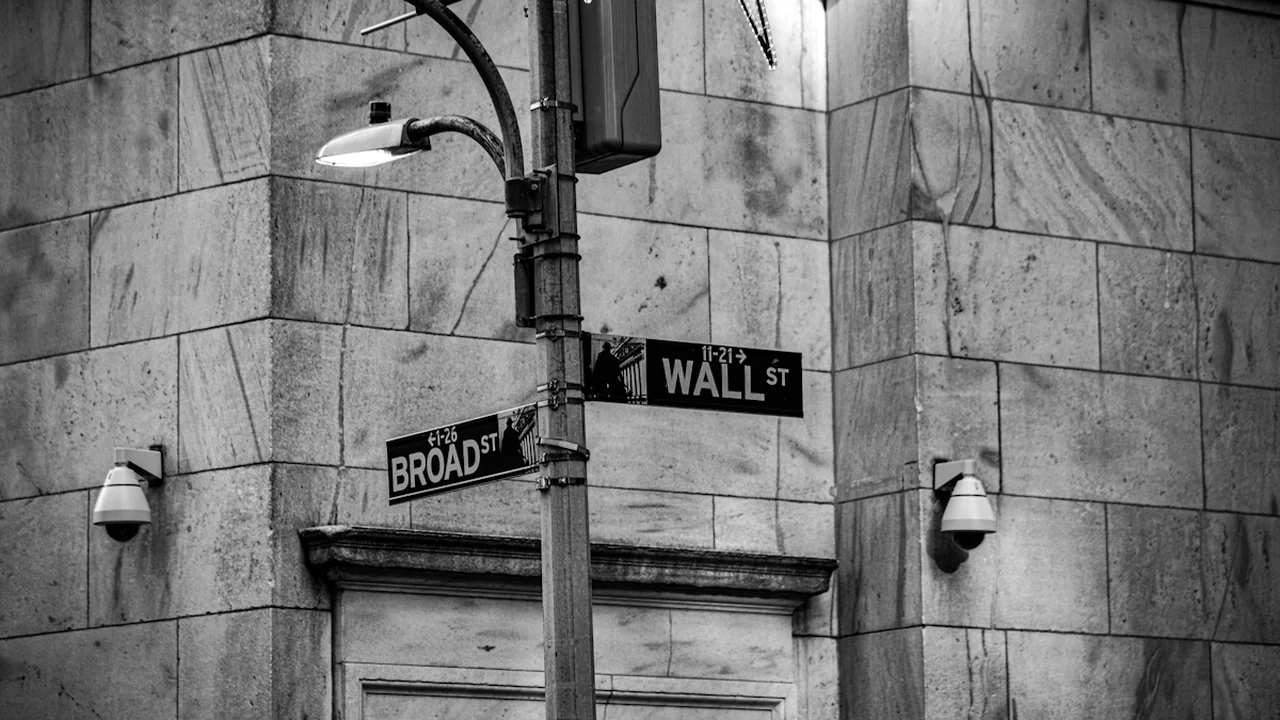
The Wall Street sell-off on 29 October 1929, remembered as Black Tuesday, was one of the most visible moments in a financial crisis that helped usher in the Great Depression. Its effects reached Britain through falling international trade, financial connections and weaker demand for goods and jobs—but the crash was not a one-day explanation for the long downturn that followed.
What happened on Black Tuesday
After a sharp fall in share prices on 24 October, known as Black Thursday, US markets plunged again on Tuesday, 29 October. Britannica identifies that day as Black Tuesday, when investors rushed to sell and prices fell sharply. The crash damaged confidence and marked a turning point in public understanding of the crisis, but it did not instantly cause every later economic hardship.
Shares are claims on companies, so a collapse in their prices can reduce wealth and make businesses and investors more cautious. But the Great Depression also involved a much broader contraction in production, trade, credit and employment over subsequent years. Those developments varied across countries and had causes beyond the events of a single trading session.
How the downturn spread beyond the United States
The United States was closely connected to other economies through trade and finance. As American demand and economic activity weakened, businesses abroad could lose customers for their exports. Uncertainty and financial strain could also affect lending and investment across borders. These channels help explain how a US crisis could reach British firms and workers, even though the crash took place in New York.

Trade was one route. When households and businesses cut spending, producers in other countries could face fewer orders. Britain’s economy depended on international commerce, so a wider decline in demand posed risks for export industries and the businesses linked to them. The effects were not identical in every sector or region: they depended on what was being sold, where customers were, and how long demand remained weak.
Finance was another route. Britain and the United States were part of an interconnected international financial system. A crisis that undermined confidence could prompt investors and lenders to reassess risk, restrict credit or delay investment. The Bank of England Museum’s historical collections provide context for studying Britain’s financial history, although the collection overview alone does not establish a specific causal account of the crash’s effects.
Britain’s economy and employment during the Depression
The downturn mattered in Britain because weaker trade and tighter finance could feed through to production, investment and hiring. When businesses had fewer orders or less access to credit, they might reduce output or postpone expansion. Workers in affected industries could then face reduced hours, layoffs or difficulty finding new employment. This is a transmission mechanism, not a claim that every British job loss followed directly from Black Tuesday.

Britain’s experience also reflected domestic conditions and policy choices, alongside international forces. The Depression lasted for years, and its course differed across industries and communities. A careful account therefore distinguishes the shock to markets in 1929 from the longer period of economic hardship, and avoids treating Britain as if it experienced one uniform downturn.
The crash was a marker, not the whole Great Depression
Popular shorthand often makes 29 October sound like the single cause of the Great Depression. The date is a useful marker: Black Tuesday captures the scale of the US market collapse and the fear it generated. But a stock-market crash and a prolonged depression are different things. The crash contributed to a crisis of confidence; the wider depression involved sustained declines in economic activity and employment, transmitted through several channels and shaped by conditions in each country.
For Britain, the important connection is not that London simply repeated New York’s market collapse. It is that a major US financial shock could weaken trade, unsettle international finance and put pressure on employers and workers in an economy tied to global markets. Understanding those links makes the anniversary more than a story about one day on Wall Street.
Source: Encyclopaedia Britannica
Context & actions About this article
Source check Historical context
Britannica identifies 29 October 1929 as Black Tuesday; the Bank of England Museum maintains collections on Britain’s financial history.
- Black Tuesday date and crash context
- British financial history collections
- Trade, finance and employment as transmission channels
- Source
- Encyclopaedia Britannica
- Scope
- United Kingdom
- Updated
- 2026-10-29 10:09
Source check
Report a trust issue
Send a clear signal to community moderation if the source, facts or context need review.


Comments