The 1605 Gunpowder Plot: What Happened on 5 November

The Gunpowder Plot was uncovered in the early hours of 5 November 1605, when Guy Fawkes was found guarding explosives beneath the Palace of Westminster. The plan to destroy the House of Lords and kill King James I failed, but the date became an annual occasion for public thanksgiving and, over time, Bonfire Night. The episode involved a group of conspirators and grew from religious and political tensions in Stuart England; Fawkes was only one of its participants.
How the plot unfolded in 1605
The plotters aimed to strike during the State Opening of Parliament, when the king, Lords and Commons would gather. They placed gunpowder in a cellar beneath the House of Lords. The plan was to kill the king and members of the political establishment in one attack, then try to shape what followed.
In the early hours of 5 November, officials searching the Palace of Westminster found Fawkes near the explosives. He was arrested before the planned session could take place. The plot was exposed, the explosives were secured, and the conspirators’ attempt to destroy Parliament failed.
The discovery did not mean that Fawkes had devised the plan alone. He was the man caught at the cellar, while the conspiracy involved several men who shared the aim of overturning the existing settlement. Remembering the event through one famous name can obscure that larger group and the political purpose behind the attack.
Why some Catholics turned against James I
The conspirators were Catholic men living under a Protestant monarchy. Religious divisions shaped public life, and Catholics faced restrictions and pressure to conform. Some had hoped that James I, who succeeded Elizabeth I in 1603, might ease those constraints. When their hopes were disappointed, a small group chose violent action.
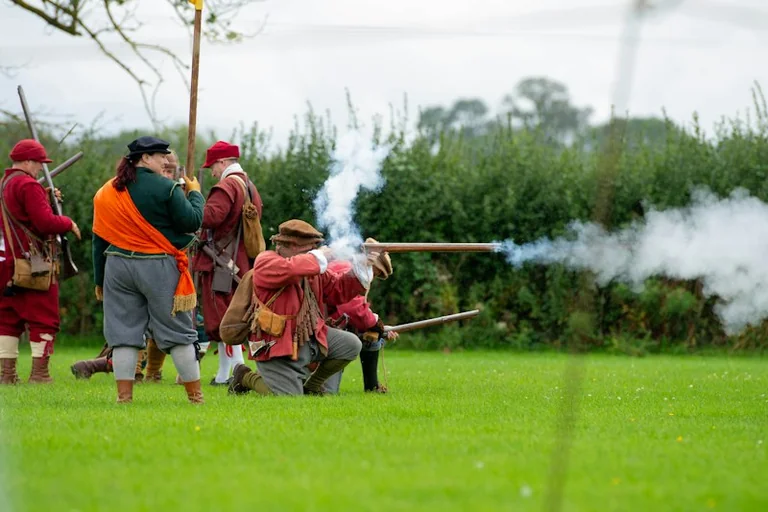
That context helps explain the plotters’ grievance, but it does not make the plan representative of Catholics as a whole. The conspirators’ proposal to kill the king and members of Parliament was an extreme act by a group, not evidence of collective Catholic responsibility. The government’s response and the public memory of the plot unfolded in a society already marked by suspicion between religious communities.
The target also mattered. Parliament was a central institution of government, and the State Opening brought the monarch and legislators together. Destroying the House of Lords would have meant attacking both people and the machinery of the state. The plan therefore threatened more than a building: it aimed to create a crisis in who ruled England and what would follow.
From discovery to annual remembrance
After the plot was uncovered, the failure was commemorated as a deliverance of the king and Parliament. Public observances on 5 November developed into a recurring tradition. Bonfires became a visible part of the occasion, and the date acquired the familiar name Bonfire Night.
The later celebration is not a reenactment of the conspiracy. Fireworks and bonfires belong to the history of remembrance, while the 1605 event itself was a failed attempt to kill political leaders and destroy Parliament. The distinction matters: festive customs accumulated over centuries, and their meaning has varied, but they began with a specific political crisis.

Guy Fawkes became the best-known face of the story because he was discovered at the explosives. Effigies, rhymes and popular retellings made him an enduring figure, often compressing a group plot into the tale of one man. That familiar image is part of the history of Bonfire Night, rather than a complete account of how the conspiracy was organized.
What Parliament’s account establishes
The UK Parliament’s historical account identifies the event as a 1605 conspiracy to blow up Parliament and records that Fawkes was found guarding the explosives. Those details anchor the basic sequence: a planned attack on the House of Lords, explosives beneath the Palace of Westminster, and an arrest before the State Opening.
The Parliament account is useful for the plot’s connection to the institution it targeted. The broader context also requires care: the failed attack belongs to the history of early Stuart religious conflict, but it should not be used to assign guilt to a whole religious community. The next annual milestone in the tradition is 5 November, when Bonfire Night again recalls the plot’s failure and the longer history of its remembrance.
Source: UK Parliament
Context & actions About this article
Source check Historical context
The UK Parliament’s historical account supports the core details of the 1605 plot; the article distinguishes those events from later Bonfire Night customs.
- The plot targeted the House of Lords during the State Opening of Parliament.
- Guy Fawkes was found guarding explosives beneath the Palace of Westminster.
- Bonfire Night remembrance developed after the plot failed.
- Source
- UK Parliament
- Scope
- England
- Updated
- 2026-10-30 10:02
Source check
Report a trust issue
Send a clear signal to community moderation if the source, facts or context need review.




Comments