How the Battle of Hastings Changed England
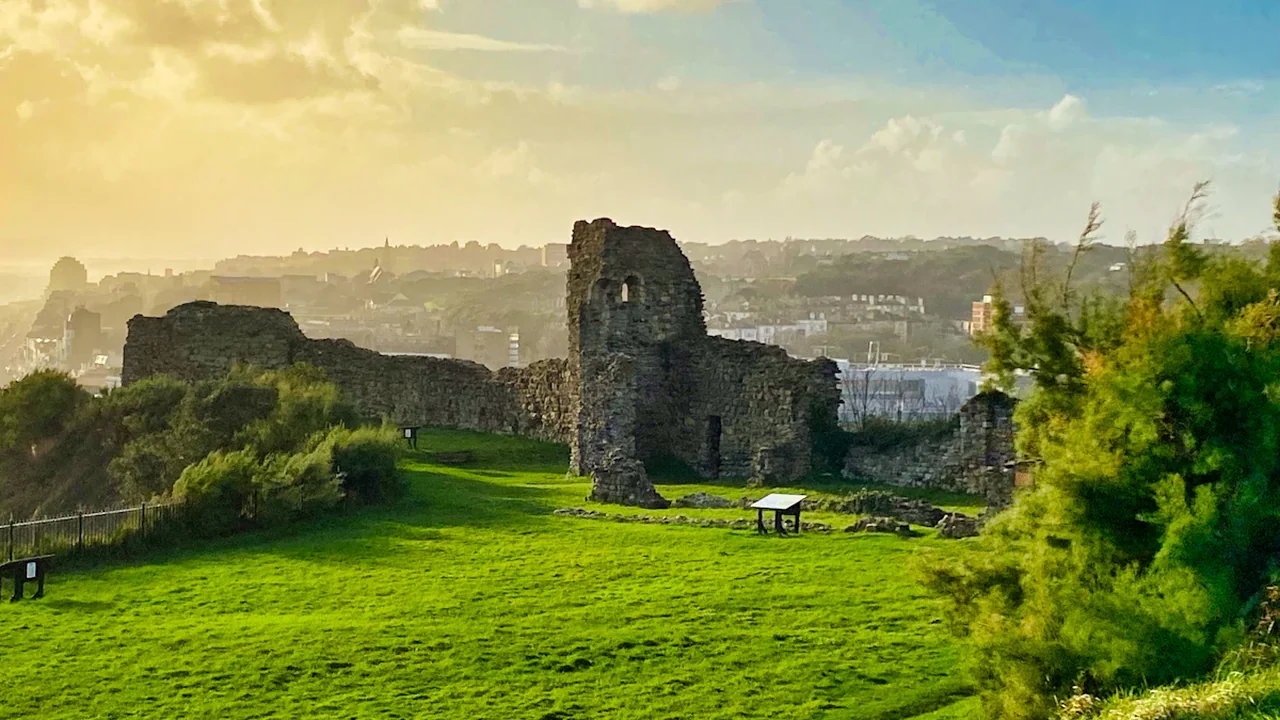
On 14 October 1066, William, Duke of Normandy, defeated the English king Harold Godwinson near present-day Battle in East Sussex. The victory opened the way for Norman rule, changing who held land and power in England and leaving marks on its language and government that remain visible today.
Why William and Harold fought in 1066
The battle followed a disputed succession. King Edward the Confessor died in January 1066 without a direct heir. Harold Godwinson, a powerful English nobleman, was crowned king. William, Duke of Normandy, also claimed the throne, arguing that Edward had promised it to him and that Harold had sworn to support his claim.
Those claims come to us through medieval accounts shaped by political interests. The broad outline is well established: after Edward’s death, Harold took the crown, and William assembled an invasion force to challenge him. The details of what Edward promised and what Harold’s oath meant are less certain.
William landed in southern England in September. Harold had just fought and defeated a Norwegian invasion at the Battle of Stamford Bridge in Yorkshire. He then marched south to meet the Norman army, covering a considerable distance in a short time.
Where the Battle of Hastings took place
The armies met on 14 October at a site near the town now called Battle, in East Sussex. Despite its name, the battlefield was not in Hastings itself. William’s forces fought uphill against Harold’s army, which held a strong position on a ridge.
The fighting lasted for much of the day. Harold’s army relied on a defensive shield wall; the Normans used infantry, archers and cavalry. The English position eventually broke, and Harold was killed. The exact circumstances of his death are debated, including the familiar story that he was struck in the eye by an arrow.
The Bayeux Tapestry, an embroidered account of the conquest made after the events, is an important visual source, but it is not a neutral eyewitness record. Its scenes help show how the Norman victory was remembered and presented. Later retellings should be distinguished from what historians can establish with confidence.
How the Norman victory became a conquest
Winning the battle did not immediately give William control of all England. He advanced toward London, faced resistance and was crowned king on Christmas Day 1066. Further campaigns and uprisings followed. Norman power was secured over time through military force, political deals and the reshaping of local authority.
The conquest had profound consequences for landholding. William and his supporters took estates from many English nobles and granted them to Norman followers. The Domesday Book, compiled in 1086, recorded land, resources and obligations across much of England. It offers a remarkable snapshot of the kingdom under Norman rule, though it was created to serve royal administration and taxation.
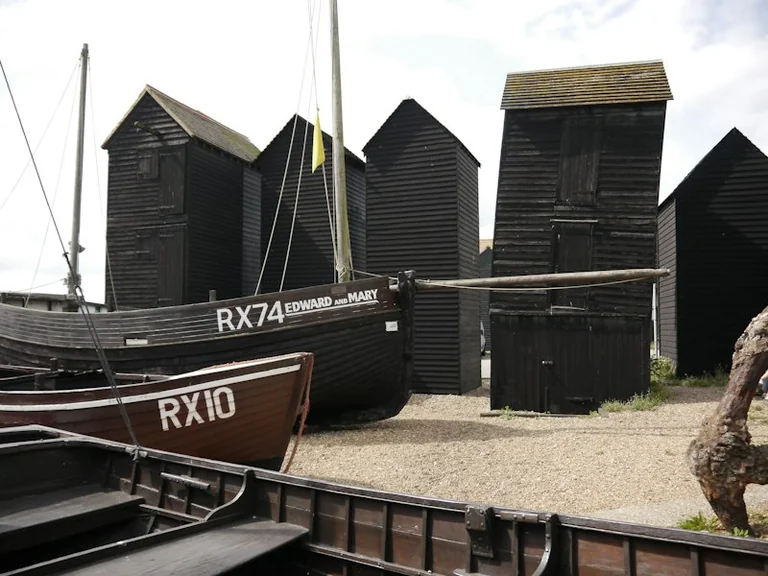
The new rulers also built castles to secure territory and demonstrate control. Norman lords held land in a hierarchy tied to the king, while local communities continued to live and work on the estates. For many people, the conquest meant new landlords and demands, even as older customs and institutions persisted in changing forms.
What changed in government and language
William strengthened royal authority and relied on administrators and church leaders who could support Norman rule. The crown’s reach grew, but England’s government was not replaced overnight. Existing practices adapted, and the Domesday survey shows how the king gathered detailed information about land and wealth.
Language changed more gradually. Norman French became influential among the ruling elite and in court, while Latin remained central to church and administration. Most people continued to speak varieties of English. Over generations, contact among these languages altered vocabulary and usage; many English words for law, government, food and social life reflect French influence.
The conquest therefore did not erase English culture or language. It changed who governed and held property, and it introduced lasting influences that developed through interaction between communities.
Battle Abbey and the landscape today
William ordered an abbey to be built near the battlefield, traditionally understood as an act of commemoration and penance. The site became known as Battle Abbey, and its remains are part of the historic landscape associated with the conquest.
English Heritage interprets the battlefield and abbey site in East Sussex, connecting the place with the events of 1066. Its account is a useful starting point for readers interested in how the battle is understood today. The location also helps distinguish the battlefield near Battle from Hastings, the nearby town whose name became attached to the battle.
The anniversary on 14 October offers a reason to revisit the event, but the battle matters beyond a single date. It marked the beginning of a new ruling order whose effects on land, government and language unfolded over decades and centuries. The battlefield and Battle Abbey preserve a connection to that turning point, while the surviving accounts remind us to separate well-supported events from later legend.
Source: English Heritage
Context & actions About this article
Source check Historical context
English Heritage’s account provides context for the battlefield and Battle Abbey; some details of the succession and Harold’s death remain debated.
- The battle took place on 14 October 1066 near present-day Battle.
- Harold Godwinson was killed during the battle, though accounts differ on the circumstances...
- William’s victory began a conquest that consolidated over time.
- Source
- English Heritage
- Scope
- East Sussex, England
- Updated
- 2026-10-24 09:29
Source check
Report a trust issue
Send a clear signal to community moderation if the source, facts or context need review.




Comments