How Hastings Changed England After 14 October 1066
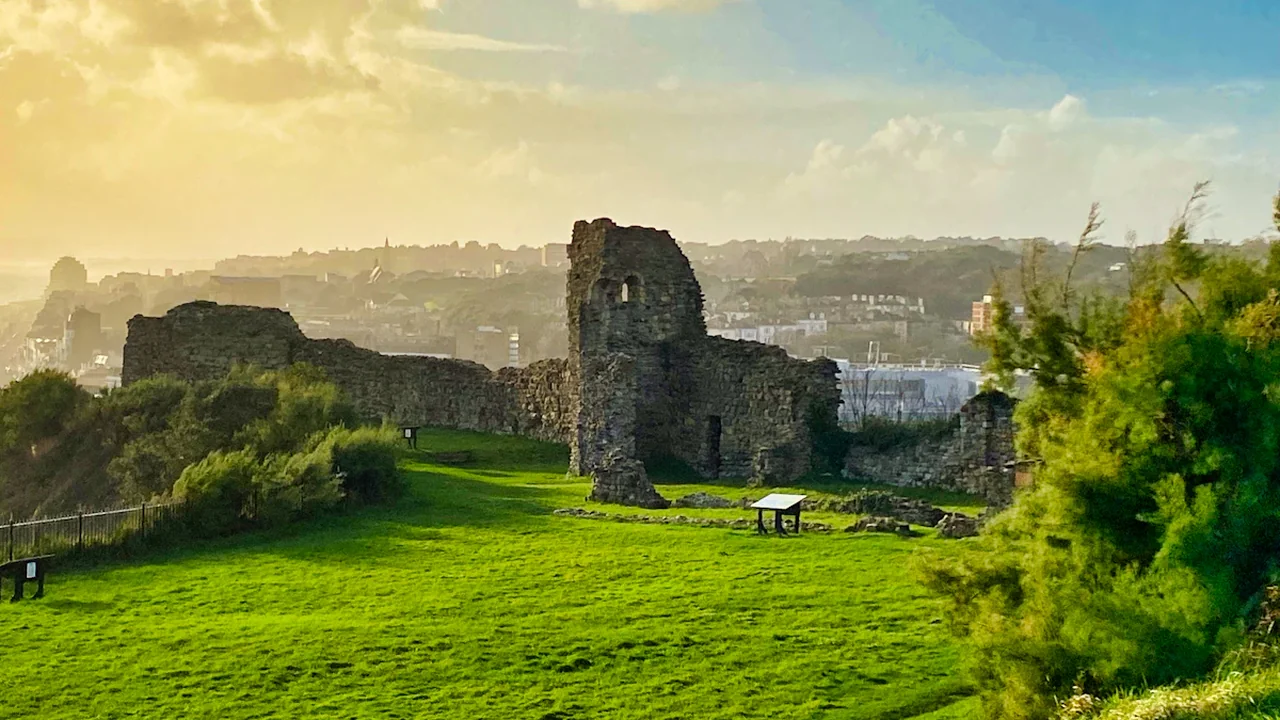
On 14 October 1066, William, Duke of Normandy, defeated Harold II at Hastings, opening the way for a Norman takeover of England. The battle settled the immediate military contest, but William’s coronation came later, on 25 December; the changes to landholding and government unfolded over years. The next milestone in the story is that Christmas coronation in Westminster Abbey.
The battle followed a contested succession
The crisis began before the invasion. When Edward the Confessor died in January 1066 without a direct heir, Harold Godwinson was chosen king by the English political elite. William claimed that Edward had promised him the throne and that Harold had also sworn to support his claim. The precise circumstances and weight of these claims remain disputed; they should not be treated as uncontested eyewitness facts.
Harold’s accession was challenged from more than one direction. Harald Hardrada of Norway invaded northern England with support from Harold’s exiled brother Tostig. Harold marched north and defeated them at Stamford Bridge on 25 September. That victory came just weeks before William landed in the south, forcing Harold’s army to cover a long distance and fight again.
William’s invasion was therefore one part of a wider campaign shaped by rival claims and a fast-moving military crisis. The English king had won a major battle in the north, but had little time to regroup before confronting the Norman force.
14 October: Harold’s defeat did not end the campaign
The armies met near Hastings, in present-day East Sussex. The battle ended with a Norman victory and Harold’s death, according to the established historical account. The precise sequence of events and some famous details of the fighting are less certain than the date and outcome.
The battle removed the leading English claimant from the field, but it did not instantly transfer control of the whole kingdom. English resistance continued, and William had to secure political submission as he advanced. In December 1066, he was crowned king at Westminster Abbey. The coronation established his kingship; it was not the date of the Battle of Hastings.
William’s victory was decisive because it made his claim enforceable by military power. His new rule still depended on consolidating authority across England, where local loyalties, landholding and resistance could not all be changed in a single day.
Norman rule changed who held land
In the years after the conquest, William redistributed much of England’s land among Norman followers and other supporters. Many English landowners lost estates, while the king’s authority over land became more pronounced. This was not a single, immediate replacement of every landholder: changes took place over time, and English people remained part of the society and administration of the kingdom.
Land mattered because it carried wealth, status and obligations. By rewarding followers with estates, William tied their interests to the new regime. The resulting pattern of ownership helped make the conquest durable beyond the battlefield and linked local power more closely to the king.
The Domesday Book, compiled in 1086, recorded land, resources and obligations across much of England. It was produced two decades after Hastings, so it is evidence of the kingdom William’s government had built, not a record of what happened on battle day.
Government and power took shape over time
William kept and adapted parts of England’s existing governing system while strengthening royal control. He relied on local officials and existing institutions, even as Norman landholders and leaders gained power. The result was a transformed ruling elite, not a wholly new state created at once on 14 October.
The conquest also left a physical and cultural mark. William founded Battle Abbey near the battlefield, traditionally associated with the site of the fighting. The abbey’s foundation and later histories shaped how the event was remembered; details attached to later traditions should be distinguished from facts securely established about the battle itself.
Historic England places Hastings within the wider Norman Conquest, while Encyclopaedia Britannica records the battle’s date and William’s victory. Together, those contexts help separate the clear turning point on the battlefield from the longer process of political change that followed.
The next milestone was William’s coronation
The clearest immediate milestone after the battle was William’s coronation at Westminster Abbey on 25 December 1066. Hastings took place on 14 October; the ceremony came more than two months later. The distinction matters because the battle made William’s conquest possible, while the coronation marked his formal accession as king.
The land settlements, tighter royal authority and records such as Domesday came later. They show why the consequences of Hastings extended well beyond a single day: military victory opened the way, but governing England required a longer campaign of consolidation.
Source: Encyclopaedia Britannica
Context & actions About this article
Source check Historical context
Encyclopaedia Britannica confirms the battle’s date and outcome, while Historic England places it in the wider Norman Conquest.
- Battle date: 14 October 1066
- William’s coronation: 25 December 1066
- Land and government changes developed over time
- Source
- Historic England
- Scope
- England
- Updated
- 2026-10-14 08:44
Source check
Report a trust issue
Send a clear signal to community moderation if the source, facts or context need review.




Comments