Battle of Trafalgar: What Happened on 21 October 1805
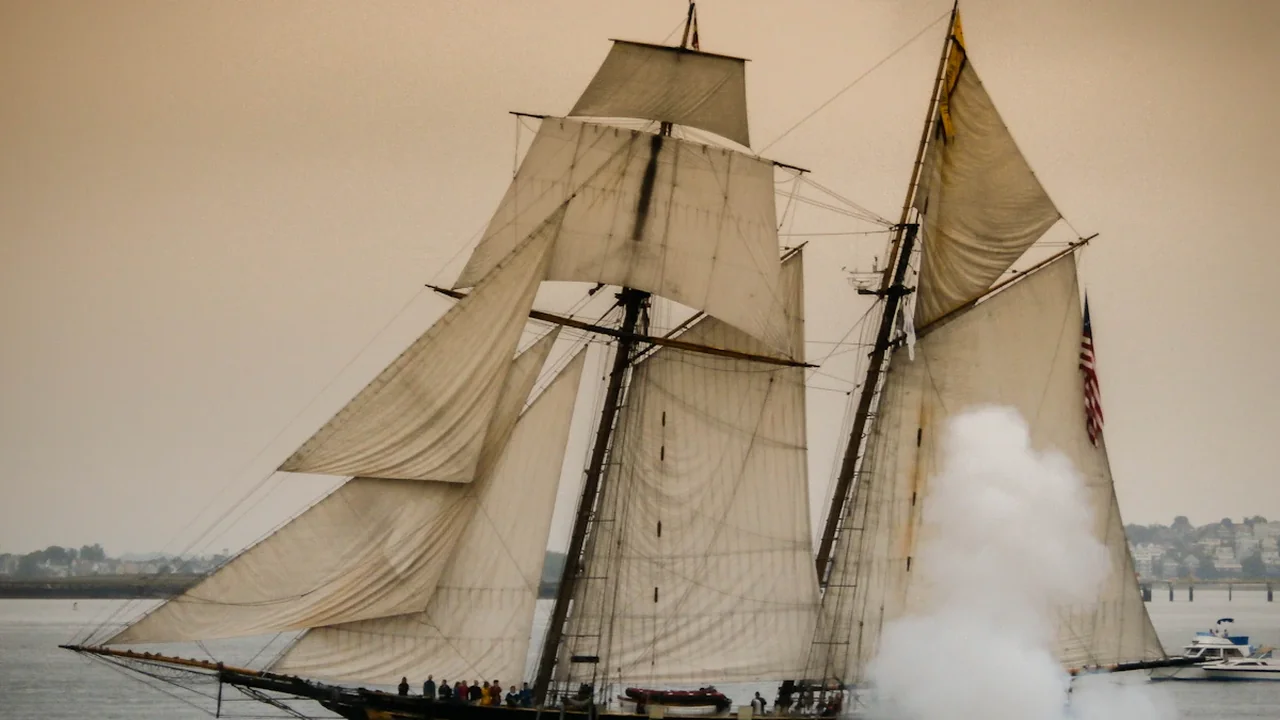
The Battle of Trafalgar was fought on 21 October 1805, when a British-led fleet met French and Spanish forces during the Napoleonic Wars. Admiral Horatio Nelson led the British fleet and was killed in the fighting. Trafalgar Square and Nelson’s Column in London later gave the battle a lasting place in public memory. The next anniversary falls on 21 October 2026, marking 221 years since the battle.
Where the Battle of Trafalgar was fought
The battle took place off Cape Trafalgar on Spain’s Atlantic coast. It was a naval engagement between fleets of sailing warships, not a land battle. The French and Spanish fleet faced the British-led fleet commanded by Nelson. Royal Museums Greenwich confirms the date and records that Nelson died during the battle.
The setting matters to the anniversary story: the fighting happened far from London, yet the battle’s name and its commander became part of the capital’s public landscape. The original encounter and its later memorials are different chapters. Keeping that distinction clear helps explain how a naval event off Spain is remembered in a London square.
What happened on 21 October 1805
The opposing fleets met at sea on 21 October. Nelson’s forces engaged the French and Spanish ships, and the British-led fleet won. That is the immediate military result established by the account of the battle. The encounter was one of the defining naval battles of the Napoleonic Wars, but its outcome should not be stretched into a claim that one battle alone settled the wider conflict.
The basic sequence is concise: the fleets met, the British-led force prevailed, and Nelson was fatally wounded. The anniversary offers a way to revisit both the events and the later meaning attached to them. The military result is a matter of what happened at sea; the battle’s place in national memory developed through subsequent commemoration.
Nelson’s role and death at Trafalgar
Horatio Nelson commanded the British fleet and became central to the British account of Trafalgar. He was killed during the fighting on 21 October 1805, a fact recorded by Royal Museums Greenwich. His death is part of the battle’s story as well as the reason his name is so closely linked to its public remembrance.

Focusing on Nelson alone, however, can make the encounter seem smaller than it was. The British fleet fought a combined French and Spanish fleet, and Trafalgar belonged to a much larger war. Nelson’s later prominence in memorials reflects his individual command and death, alongside the battle’s wider significance in British naval history.
From the naval battle to London’s memorial landscape
Trafalgar Square and Nelson’s Column are later public memorials associated with Nelson and the battle. They were not part of the 1805 engagement; they represent the way Trafalgar was commemorated in London afterward. Their presence gives residents and visitors a recognizable place to connect the anniversary with the history of the battle.
That connection also provides a useful perspective on public memory. The battle took place off Spain, while its name is encountered by many people in central London. The square and column keep Nelson visible in the city, but they do not replace the historical setting or the combined fleets involved. Remembering the event means holding both in view: the encounter at sea and the later choice to memorialize its British commander.
The source for the battle’s date, setting and Nelson’s death is Royal Museums Greenwich, which provides a museum-based account of Trafalgar. It identifies the central events while leaving broader claims about the battle’s long-term effect distinct from its immediate result. On 21 October 2026, the 221st anniversary will again bring the date into focus, linking the battle’s documented history with the memorials that remain visible in London.
Source: Royal Museums Greenwich
Context & actions About this article
Source check Historical source
Royal Museums Greenwich records that Trafalgar was fought on 21 October 1805 and that Nelson was killed during the battle.
- Battle date: 21 October 1805
- Nelson was killed during the battle
- Trafalgar Square and Nelson’s Column are later public memorials
- Source
- Royal Museums Greenwich
- Scope
- United Kingdom
- Updated
- 2026-10-11 08:20
Source check
Report a trust issue
Send a clear signal to community moderation if the source, facts or context need review.




Comments