Che Guevara’s Capture and Execution in Bolivia, 1967
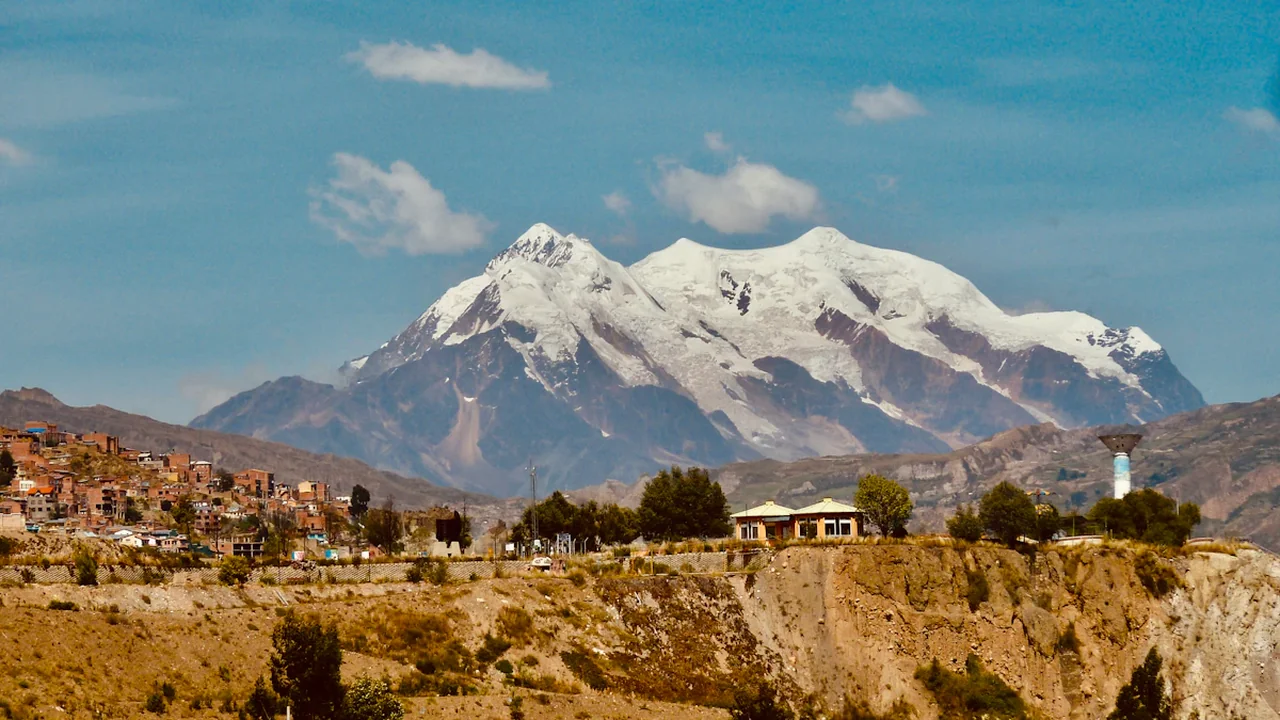
On 9 October 1967, Ernesto “Che” Guevara was executed in the Bolivian village of La Higuera, a day after Bolivian forces captured him. The events ended his attempt to build a guerrilla movement in Bolivia; his death then became a defining moment in the political life of his image. Separating the documented timeline from the later symbolism helps explain why the date still resonates worldwide.
Why Guevara was in Bolivia
Guevara was an Argentine-born revolutionary who became prominent in the Cuban Revolution and later held roles in the Cuban government. In 1966, he entered Bolivia to organize a guerrilla campaign. He hoped revolutionary activity there could spread beyond Cuba, but Bolivia’s terrain, political conditions and limited local support presented serious obstacles.
The campaign took place under Bolivian President René Barrientos, whose government opposed the insurgency. Bolivian troops pursued Guevara’s group, with support from the United States Central Intelligence Agency. The struggle was part of a wider Cold War setting, but its immediate events unfolded in rural Bolivia, far from the urban centers most associated with Guevara’s earlier political career.
The final days: capture, custody and execution
Guevara was wounded and captured by Bolivian forces on 8 October 1967 near the village of La Higuera. He was held in a schoolhouse there. Encyclopaedia Britannica records that he was captured and executed in Bolivia in October 1967; the detailed chronology places his death the day after his capture.
On 9 October, Guevara was killed while in custody. Bolivian authorities announced his death, and his body was displayed in Vallegrande before it was buried in a concealed location. The public display helped establish the fact of his death, while the concealment of his remains left questions about their location for decades.
In 1997, a team of forensic specialists located remains identified as Guevara’s near Vallegrande. They were returned to Cuba and buried in a memorial complex in Santa Clara. This later recovery clarified the fate of his remains, but it did not change the basic sequence: capture in the Bolivian countryside on 8 October, execution on 9 October.
What the Bolivian campaign meant locally
Guevara’s Bolivian effort was not simply a continuation of the Cuban Revolution in another setting. Bolivia had its own political history, social divisions and rural communities. The guerrilla group operated in the southeast of the country, and the campaign failed to gain the broad local participation Guevara had sought.
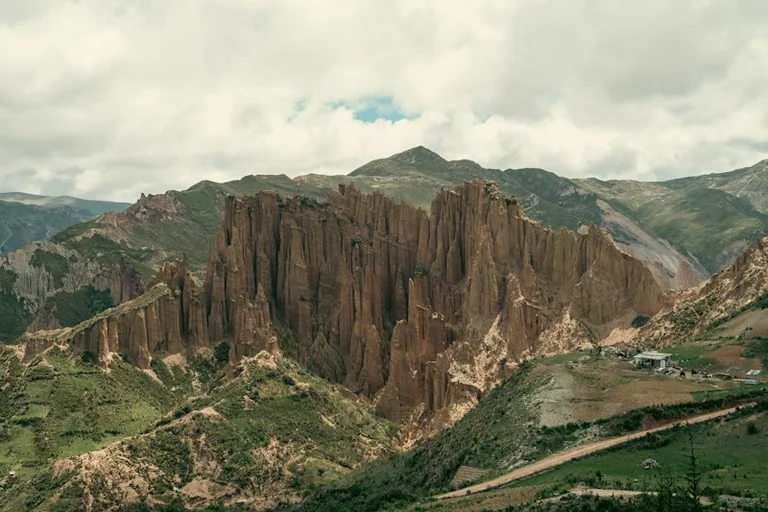
That setting matters when remembering the event. Guevara’s story is often told through his international reputation, but the military campaign took place on Bolivian soil and involved Bolivian forces and communities. Its end belongs to Bolivia’s history as well as to the wider history of revolutionary movements and the Cold War.
How an image became a global symbol
After his death, Guevara’s face circulated far beyond accounts of the Bolivian campaign. Photographer Alberto Korda’s portrait, commonly known as “Guerrillero Heroico,” became one of the most reproduced political images of the twentieth century. It has appeared on posters, clothing and protest materials, often detached from the circumstances of his final months.
That image supports competing interpretations. Admirers have treated Guevara as a symbol of anti-imperialism and revolutionary commitment. Critics point to his role in revolutionary violence and Cuba’s political repression. Neither response should be mistaken for a complete account of the man or the Bolivian campaign. The same portrait can function as a commercial design, a protest emblem or a statement of political identity, depending on who displays it and why.
The historical record and the later iconography answer different questions. The record establishes that Guevara entered Bolivia to lead an insurgency, was captured by Bolivian forces and was executed in La Higuera on 9 October 1967. The symbol’s meaning has continued to shift across countries and generations.
Why 9 October remains in public memory
The anniversary links a precise event in Bolivia to a story that became global. It marks the end of Guevara’s campaign and the beginning of a new phase in his public life: the transformation of a revolutionary figure into an image interpreted by people with sharply different political commitments.
Remembering the date with its setting intact keeps both parts visible. Guevara was a participant in a failed Bolivian insurgency, captured and killed in custody; after his death, his likeness became a contested symbol. The distance between those facts and the many meanings later attached to his face is why 9 October remains part of cultural memory.
Source: Encyclopaedia Britannica
Context & actions About this article
Source check Historical source
Encyclopaedia Britannica confirms Guevara’s capture and execution in Bolivia in October 1967; the article distinguishes that record from later interpretations of his image.
- Capture near La Higuera on 8 October 1967
- Execution in custody on 9 October 1967
- Remains identified near Vallegrande in 1997
- Source
- Encyclopaedia Britannica
- Scope
- Bolivia
- Updated
- 2026-10-09 08:31
Source check
Report a trust issue
Send a clear signal to community moderation if the source, facts or context need review.


Comments