How to Compare UK Petrol Stations Before an Autumn Drive
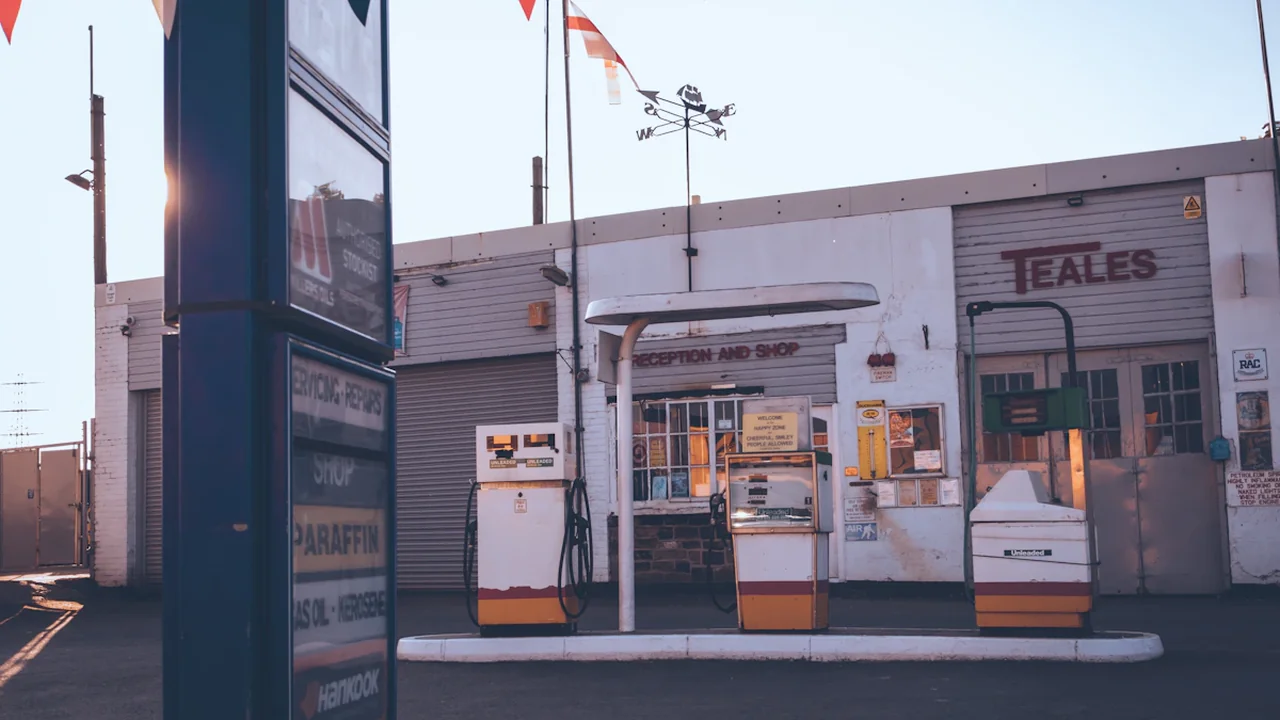
Before filling up for an autumn drive, compare nearby forecourts for the fuel your vehicle uses and weigh any lower pump price against the extra distance. Check the displayed price on the day, confirm whether it is for petrol or diesel, and account for the fuel your detour is likely to use.
Compare nearby stations on the day
Start with a current fuel-price comparison service or app that lets you search around your location or route. Check when each price was last updated, then compare stations you could realistically reach. Prices can change, and a listing may not reflect what is displayed at the pump when you arrive.
Before setting off, check the forecourt’s own signs or the latest station information where possible. Compare like with like: the same fuel grade, in the same units, at stations that are open and accessible on your route. A nearby station with a slightly higher price may be the better choice if reaching a cheaper one adds a long detour.
For a fair comparison, note:
- The station and its distance from your route.
- The listed price and the time it was checked.
- Whether it is petrol or diesel, and the relevant grade.
- Whether the station is open and easy to enter and leave.
Treat a price listing as a useful lead rather than a guarantee. If the price is old, the fuel type is unclear or the station is out of the way, check again before relying on it.
Check the fuel type before comparing prices
A price is useful only if it matches the fuel your vehicle needs. Petrol and diesel prices are different, and a station listing can show several grades. Read the label beside the price rather than assuming the first figure applies to your car.
Check your vehicle handbook, fuel flap or manufacturer guidance if you are unsure which fuel to use. Do not choose a fuel solely because its displayed price is lower. If you use a specialist grade, make sure the station actually sells it before adding it to your route.
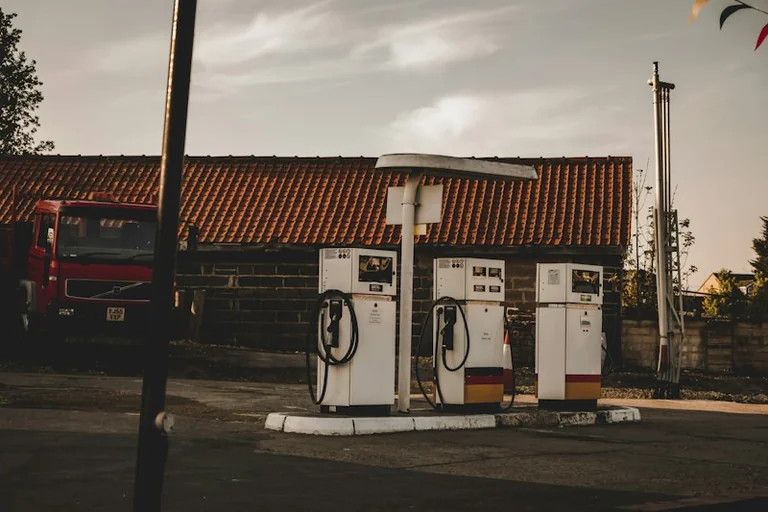
Include the cost of reaching the cheaper forecourt
A lower price per litre does not automatically mean a cheaper fill-up. Estimate how much fuel the extra driving will use, then compare that cost with the likely saving on the amount you plan to buy.
A practical check is to compare the price difference per litre with the extra fuel required for the detour. If the detour burns more fuel than the price saving covers, the closer station may cost less overall. Your car’s fuel consumption, traffic, route and the size of your fill all affect the result, so treat any estimate as approximate.
If the difference is small, consider whether the extra journey is worthwhile for other reasons, such as a planned stop or a convenient route. Avoid making a special trip based on a small price gap without checking the current listing and likely distance first.
Use a quick check before leaving
- Search for stations near your starting point or along your route.
- Note the price, fuel type and time each listing was updated.
- Confirm that the station sells the fuel your vehicle requires.
- Compare the likely detour distance with the amount you expect to buy.
- Check the current price and opening information again before turning off your route.
This method is useful whether you are planning a full tank or adding enough fuel for the journey. For a small top-up, a longer detour is less likely to be worthwhile because you are buying fewer litres over which to spread the price difference.
What the CMA’s road-fuel work adds
The Competition and Markets Authority (CMA) is the UK authority responsible for promoting competition and protecting consumers. It has also published a study of the UK road-fuel market. That provides official context for drivers interested in how the market works, but it does not establish which nearby forecourt has the lowest price today.
For a local refuelling decision, use current station-level information and check the details that affect your journey: price freshness, fuel type, route distance and likely fuel use. The best option can change with location, timing and how much fuel you need.
Source: UK Government
Context & actions About this article
Source check How to compare
This guide explains how to compare current forecourt listings, fuel type and detour distance; the CMA provides context on the UK road-fuel market.
- Check when a station price was last updated.
- Confirm the listing matches your fuel type and grade.
- Compare the detour with your expected fuel use.
- Source
- Competition and Markets Authority
- Scope
- United Kingdom
- Updated
- 2026-10-25 09:58
Source check
Report a trust issue
Send a clear signal to community moderation if the source, facts or context need review.


Comments