How to compare UK petrol prices with the cost of a detour
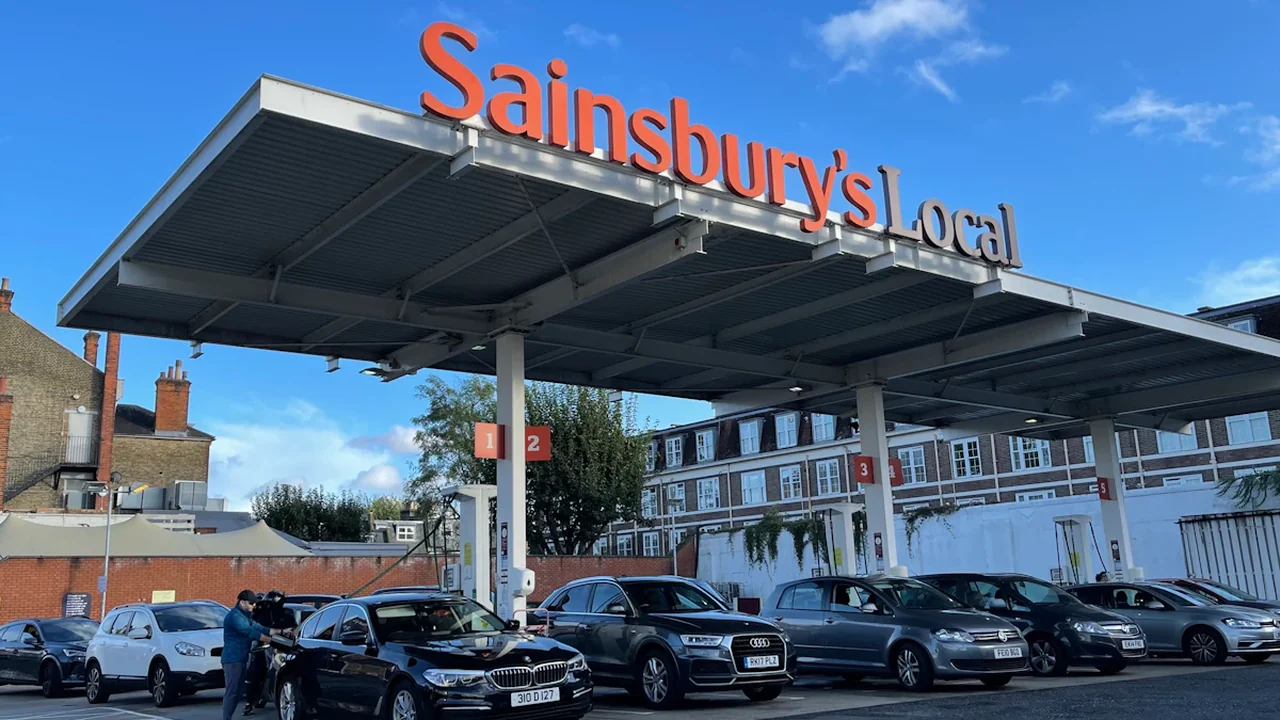
A lower pump price only saves money if the saving is greater than the cost of getting to the forecourt. The UK government publishes weekly national road fuel prices for petrol and diesel, but those figures provide context, not a guaranteed price at any particular station. Check the latest release before comparing it with local pump prices.
Check the latest UK weekly fuel figures
The Department for Energy Security and Net Zero publishes a weekly road fuel price series for the UK. Use its latest figures as a national reference when judging whether prices you see look higher or lower than the recent average. The series covers petrol and diesel.
The figures are averages across the country. They cannot tell you what a particular forecourt charges today, and they may not reflect differences between nearby areas, brands or station types. against the latest official page, check the latest government release and note its date; do not treat an older weekly figure as today’s local price.
Read also: How to Compare UK Petrol and Diesel Prices Before Filling Up
Calculate the cost of filling your tank
A pump price is usually shown in pence per litre. Convert it to pounds per litre by dividing by 100, then multiply by the number of litres you plan to buy.
For example, at a hypothetical price of 150p per litre, buying 40 litres costs £60: 40 × £1.50. This is an illustration, not a current UK price. If you are topping up rather than filling a fixed amount, use the litres you expect to add; the total will vary with how much fuel the car takes.
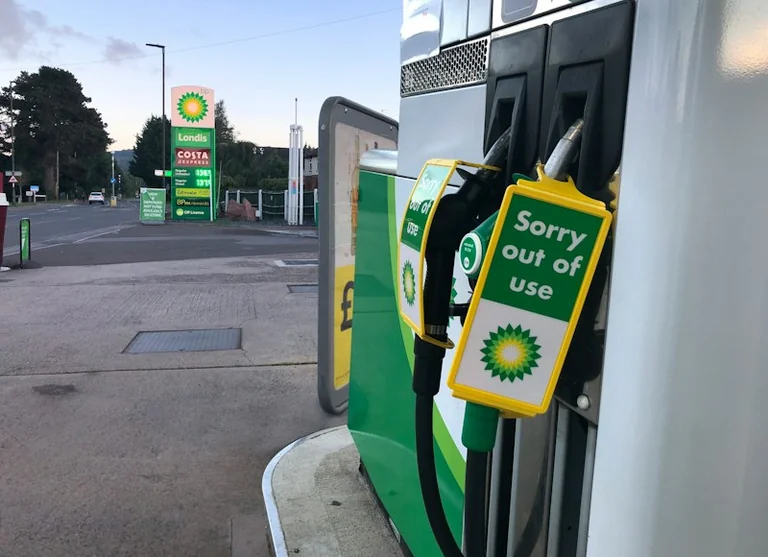
You can use the same calculation to compare two stations. If one is 4p per litre cheaper, a 40-litre purchase would save £1.60 at the pump: 40 × £0.04. A smaller fill-up means a smaller saving.
Include the fuel and time for a detour
A cheaper station may be worthwhile if it is already on your route. If it requires an extra journey, compare the expected pump saving with the extra driving cost.
Estimate the added distance for the full detour, including the return to your original route. Divide that distance by your car’s expected miles per gallon to estimate the extra gallons used, then multiply by 4.546 to convert gallons to litres. Multiply those litres by the price you expect to pay. Subtract the extra fuel cost from the pump saving to get an approximate net saving before valuing your time.
For instance, suppose the 40-litre fill-up above saves £1.60, while reaching the cheaper station adds fuel costing an estimated £1.20. The journey would leave about 40p in fuel savings before allowing for time, traffic or uncertainty in the estimates. If the extra fuel costs more than £1.60, the detour costs more than it saves.
Time matters too. A longer route, congestion or a queue can outweigh a small saving even when the extra fuel is inexpensive. If you already need to pass the station, the added distance may be negligible; if not, check the route and likely journey time before deciding.
Compare like with like before setting off
Use the same fuel type and a realistic number of litres in each calculation. Compare current local pump prices where available, rather than assuming the weekly national average is the price you will pay. A displayed price can also change before you arrive.
The useful comparison is the likely cost of your actual journey and purchase: the litres you need, the saving per litre, and the extra distance and time. Recheck the local price and route shortly before travelling. The latest national weekly series can help put pump prices in context, but only the forecourt price and your journey determine whether a detour pays off.
Source: UK Department for Energy Security and Net Zero
Context & actions About this article
Source check How to compare
The fill-up and detour figures are hypothetical illustrations; check the latest government weekly series and local pump prices for current figures.
- Check the date of the latest UK weekly road fuel price release.
- Compare the same fuel type at local forecourts.
- Estimate the added distance and fuel for the full detour.
- Source
- UK Department for Energy Security and Net Zero
- Scope
- United Kingdom
- Updated
- 2026-10-21 08:18
Source check
Report a trust issue
Send a clear signal to community moderation if the source, facts or context need review.


Comments