How to Compare UK Petrol and Diesel Prices Before Filling Up
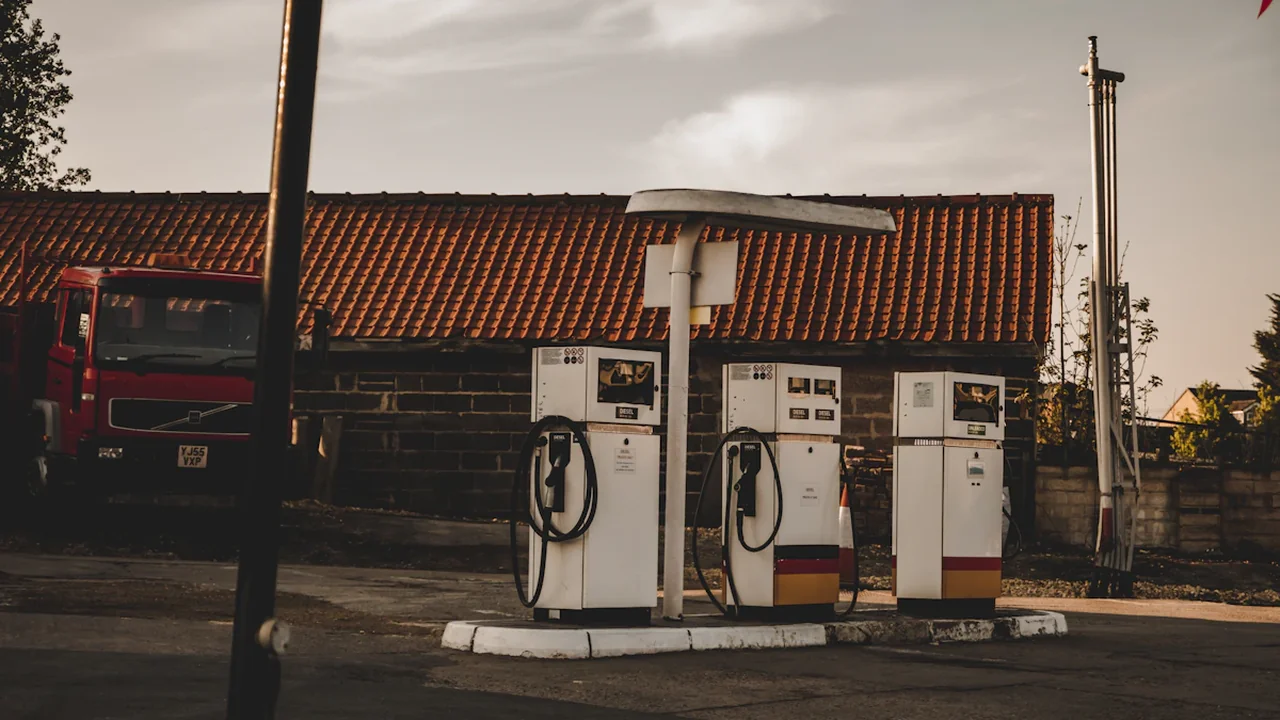
A cheaper pump price only saves money if the lower price outweighs the cost of getting there. To compare nearby petrol or diesel stations, multiply the litres you plan to buy by each displayed price per litre, then factor in any extra driving before choosing where to fill up.
The Competition and Markets Authority (CMA) publishes UK road fuel price monitoring information through GOV.UK. National figures can help show broad movements, but they do not tell you what a particular forecourt is charging today. Check local prices close to your journey and treat the pump’s displayed price as the one to use for your calculation.
Compare the full cost of nearby forecourts
Start with stations that are already on your route or close enough that a detour is practical. Record the petrol or diesel price per litre, making sure you compare the same fuel type. Then estimate the cost for the amount you expect to buy.
Read also: How to Compare UK Petrol Prices and Estimate a Fill-Up
Use this calculation:
Litres to buy × price per litre = fuel cost
For example, if you buy 40 litres at £1.50 per litre, the fuel costs £60. If another station charges £1.47 per litre, the same 40 litres cost £58.80. The pump saving is £1.20, before accounting for the journey to reach it.
That example uses hypothetical prices, not a current UK average or a live local quote. Prices vary by area, station and time, so check what nearby forecourts are displaying when you plan to fill up.
Include the detour in your calculation
A lower price per litre does not automatically mean a cheaper trip. Estimate the extra distance to the lower-priced station and back to your route, then consider the additional fuel and time involved. The saving may be worthwhile if the station is close or already fits your plans; a long out-of-the-way drive can use up the difference.
To compare two options, calculate the fuel cost at each station for the same number of litres. Subtract the cheaper station’s fuel cost from the other total to find the maximum amount available to cover the detour. If the additional driving costs more than that amount, the cheaper pump price does not reduce the overall trip cost.
Your car’s fuel economy, traffic, road type and the route can all affect the cost of extra driving. A quick estimate is a guide rather than a precise measure. If the alternative station is only a little cheaper, choosing one along your normal route may be the simpler option.
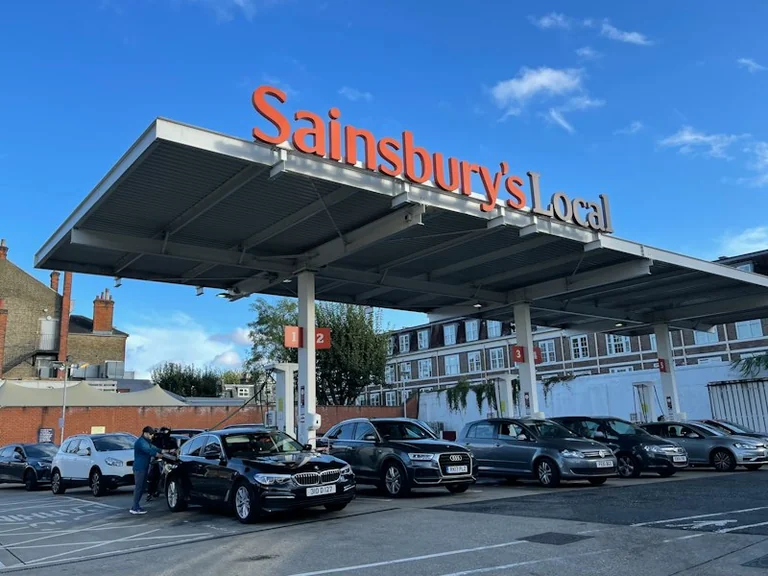
Calculate a fill-up before you leave
Use the number of litres you expect to add, rather than assuming every visit is a full tank. The fuel cost is based on litres bought, not the tank’s total capacity.
For a planned 30-litre purchase, for example, a difference of 3p per litre changes the fuel bill by 90p: 30 × £0.03. For 50 litres, the same price gap changes it by £1.50. Multiply the price difference by the litres you will buy to see how much the pump-price gap is worth for your particular fill-up.
If you compare a top-up with a full tank, use the amount you expect to add at each station. Keeping the litres the same makes the price comparison fair. The total shown at the pump can differ if you buy a different quantity.
Where to check UK fuel prices
The CMA’s GOV.UK road fuel price collection brings together its monitoring publications and related data. Use it for information about the CMA’s monitoring work and any dated price releases available there. Check the publication date before using a figure: a national price snapshot may be useful background, but it cannot confirm today’s price at a station near you.
For a decision about where to stop, check current local prices through a fuel finder where available, and confirm the displayed price at the forecourt. Compare like with like: petrol against petrol or diesel against diesel, and the same quantity of fuel at each station. If a listing’s date or coverage is unclear, treat it as a lead to check rather than a guaranteed price.
Before setting out, look at the price, how recently it was checked, the station’s location and whether the route adds distance. A quick check of those details can prevent a small apparent saving from turning into an unnecessary detour.
What a national average can and cannot tell you
A national average summarizes prices across a wider market. It does not mean every town, retailer or forecourt charges that amount, and it may not reflect the price available when you arrive. Local comparisons are more useful for choosing a station for one journey.
The CMA’s monitoring publications provide context about UK road fuel prices, while a forecourt’s current display answers the immediate question of what you will pay there. For your next fill-up, check nearby stations shortly before travelling and redo the calculation if the price or planned litres change.
Source: Competition and Markets Authority via GOV.UK
Context & actions About this article
Source check Price comparison
The CMA’s GOV.UK collection provides monitoring publications and related data; local pump prices can differ from national figures.
- Check the publication date of any CMA price figure.
- Compare the same fuel type and litres at each station.
- Confirm the displayed price at the forecourt.
- Allow for the extra distance to reach another station.
- Source
- Competition and Markets Authority via GOV.UK
- Scope
- United Kingdom
- Updated
- 2026-10-22 08:32
Source check
Report a trust issue
Send a clear signal to community moderation if the source, facts or context need review.

Comments