How to Compare Petrol and Diesel Prices Before a UK Journey
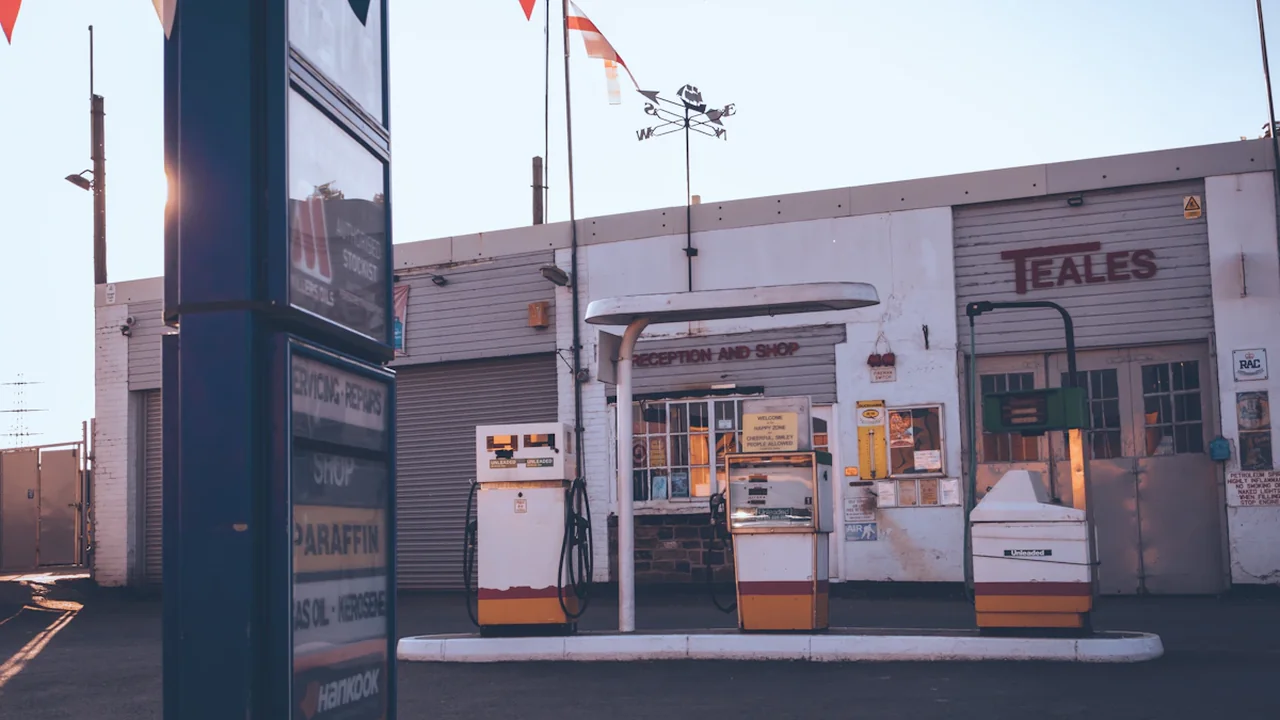
A quick local price check and a simple calculation can help you estimate how much petrol or diesel a journey may use. Compare prices along your route, use your car’s real-world fuel economy, and include any extra miles needed to reach a cheaper station. Pump prices vary by location, station and date, so check again close to departure.
Check prices near your route
The UK Government’s road fuel prices guidance points drivers to information about fuel prices, including the Competition and Markets Authority’s fuel-finder information. Use it to compare nearby petrol and diesel prices, then check the station’s location and whether it is practical for your journey.
RAC Fuel Watch provides information and analysis about UK petrol and diesel prices. It can give broader context, but a national picture does not tell you what a particular station is charging today. Treat any price you find as a snapshot and confirm it close to the time you plan to fill up.
Prices can differ between towns, stations and fuel types, and they can change over time. Make sure you compare like with like: petrol with petrol or diesel with diesel. Check whether a listed price is current, and avoid relying on an undated average when budgeting for a specific trip. If you are checking several options, note the price, fuel type and station location together so you can compare the cost with the route distance.
Estimate fuel for your journey
Start with the distance you expect to drive and your vehicle’s fuel economy in miles per gallon (mpg). Convert the pump price from pence per litre into pounds per litre, then convert gallons to litres. For UK mpg, use the imperial gallon, which is about 4.546 litres.
Fuel cost = journey miles ÷ mpg × 4.546 × price per litre in pounds.
If the pump price is listed in pence per litre, divide it by 100 to get pounds per litre. For example, 150p per litre is £1.50 per litre. The calculation estimates the fuel needed for the stated distance; it does not include parking, tolls or other journey costs.
Worked example
Suppose a round trip is 120 miles, your car averages 40 mpg in the conditions you expect, and the fuel costs £1.50 per litre. The estimate is:
- 120 miles ÷ 40 mpg = 3 UK gallons
- 3 gallons × 4.546 = about 13.64 litres
- 13.64 litres × £1.50 = about £20.46
This is an estimate, not a guaranteed bill. Traffic, speed, weather, passengers, luggage and driving style can all affect fuel use. If you know your car’s consumption from recent journeys, use that figure instead of relying only on its official or advertised mpg. Use the same distance basis throughout: for a return trip, include both directions in the journey miles.
Compare the full cost of a cheaper stop
The lowest price per litre may not save money if reaching the station adds distance. Estimate the extra fuel for the detour using the same formula, then compare that cost with the saving on the fuel you planned to buy. The pump-price difference alone is not the saving on your whole journey; it applies only to the litres you buy at the cheaper station.
For example, a small price difference may be outweighed by several extra miles, especially in a less efficient vehicle. The calculation also depends on how much fuel you buy: a saving per litre matters more when filling a larger amount. Include the return route from the station if it takes you away from your planned journey.
A station close to the route can be a better choice than one with a lower displayed price farther away. Consider whether the stop adds time or takes you onto slower roads, which may also affect fuel use. Compare the detour against the amount you actually intend to buy, rather than assuming a lower displayed price will reduce the trip total.
Make a practical pre-trip check
Before setting off:
- Check current prices for the correct fuel type near your start point and along the route.
- Confirm the station’s location and price close to departure.
- Use the route distance and your car’s realistic mpg to estimate litres and cost.
- Add any detour distance before deciding whether a cheaper pump is worthwhile.
- Recheck if your route, vehicle load or expected driving conditions change.
For a useful budget, compare the likely total fuel cost for the journey rather than choosing a station on price per litre alone. The best option can change with the route, the amount you need and the date you travel.
Source: UK Government
Context & actions About this article
Source check Price and cost check
Fuel prices vary by station, location and date; the journey estimate uses distance, vehicle mpg and a current price per litre.
- Compare the same fuel type at stations near your route.
- Confirm the displayed price close to departure.
- Use realistic vehicle mpg and include detour mileage.
- Source
- UK Government road fuel prices guidance
- Scope
- United Kingdom
- Updated
- 2026-10-26 11:39
Source check
Report a trust issue
Send a clear signal to community moderation if the source, facts or context need review.

Comments