How to Compare UK Petrol and Diesel Prices Before a Drive
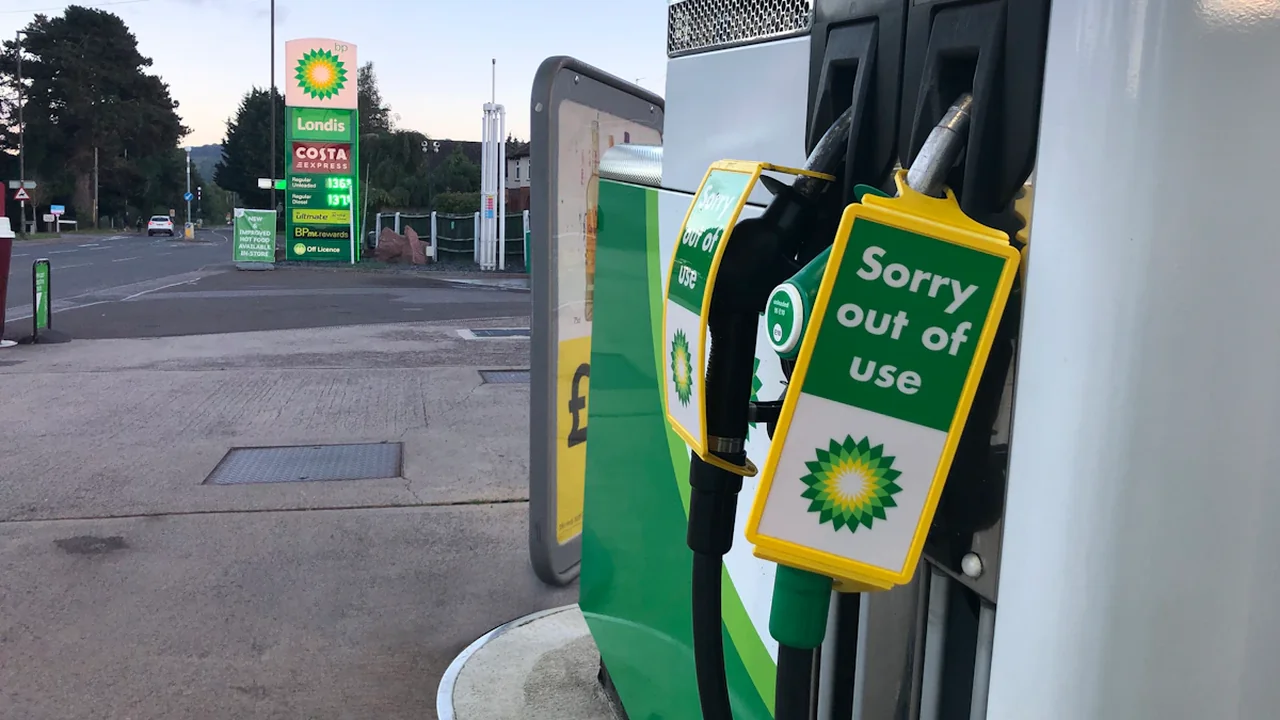
Fuel prices vary between forecourts, so a UK average can help you track the wider picture but cannot tell you what a particular station charges. Before a long drive, compare the same type of fuel at nearby stations and along your route, then weigh any saving against the cost and time of a detour.
Use the UK average as context, not a station quote
RAC Fuel Watch publishes average UK petrol and diesel prices. These figures are useful for understanding the broader market, but they are averages, not live quotes for every forecourt. A station’s price can differ from the national figure, and prices can also vary between nearby locations.
Check the average for the fuel you use. Petrol and diesel prices are separate, so comparing a petrol figure with a diesel station price will not help you choose where to fill up. If your vehicle requires a particular grade, compare that grade as well.
Read also: How to Compare UK Petrol Stations Before an Autumn Drive
Compare local stations on the same basis
Look at prices near home, work or the point where you plan to join your route. Use a current station-price listing or the forecourt’s own live information where available, and check the time of the listing. Prices may have changed since they were last reported.
For a useful comparison, check that each option matches on:
- Fuel type and, where relevant, grade
- Price per litre and the time it was checked
- Whether the station is open when you expect to arrive
- The extra distance and time needed to reach it
A lower price per litre does not automatically mean a cheaper stop. A station away from your route could add miles, traffic and time, so compare the saving with the detour rather than choosing on price alone.
Estimate whether a detour pays off
First estimate how many litres you expect to buy. If you usually fill up with a set amount, use that amount. If you only need enough for part of the journey, estimate the purchase from your fuel gauge and your vehicle’s typical consumption.
Multiply the litres by the price difference per litre to find the maximum fuel saving before the detour. For example, a 4p-per-litre difference on 40 litres is £1.60. That is the most the cheaper station saves on that purchase; extra fuel used to reach it, parking or queueing can reduce the benefit.
Use your own vehicle’s real-world fuel economy for the detour calculation. A car’s published figure may not match your driving, load, speed or traffic conditions. If the saving is small or uncertain, a station directly on your route may be the more practical choice.
Calculate the fuel cost of your journey
A simple estimate uses the distance, your vehicle’s real-world economy and the price per litre:
- Find the journey distance in miles.
- Divide that distance by your usual miles per gallon to estimate gallons used.
- Convert gallons to litres by multiplying by 4.546.
- Multiply the litres by the local price per litre.
For example, a 200-mile journey in a car that averages 40 miles per UK gallon uses about 5 gallons, or 22.7 litres. At £1.50 per litre, the estimated fuel cost is about £34. This is an illustration, not a quote: your route, driving conditions, vehicle load and actual station price can change the result.
If you track fuel in litres per 100 kilometres instead, use that figure with the distance in kilometres to estimate litres, then multiply by the price per litre. Whichever method you use, choose a realistic economy figure from your own driving rather than assuming the best figure shown in a brochure.
Check the station price before setting off
Prices and availability can change between planning and arrival. Recheck the station’s current price shortly before you leave, especially if you are making a special trip to reach it. Compare it with nearby alternatives and confirm the station is open.
RAC Fuel Watch is useful for the national petrol and diesel context. For the price you will actually pay, check live local station information and allow for route, vehicle and traffic conditions in your journey estimate.
Source: RAC
Context & actions About this article
Source check Price and cost check
RAC Fuel Watch provides UK average petrol and diesel prices; local station prices can differ, so check a current listing before travelling.
- Compare the same fuel type and grade
- Check when each local price was reported
- Include detour distance and time
- Estimate fuel use with your real-world economy
- Source
- RAC Fuel Watch
- Scope
- United Kingdom
- Updated
- 2026-10-25 09:59
Source check
Report a trust issue
Send a clear signal to community moderation if the source, facts or context need review.


Comments