UK Weekly Petrol and Diesel Prices: 28 September 2026
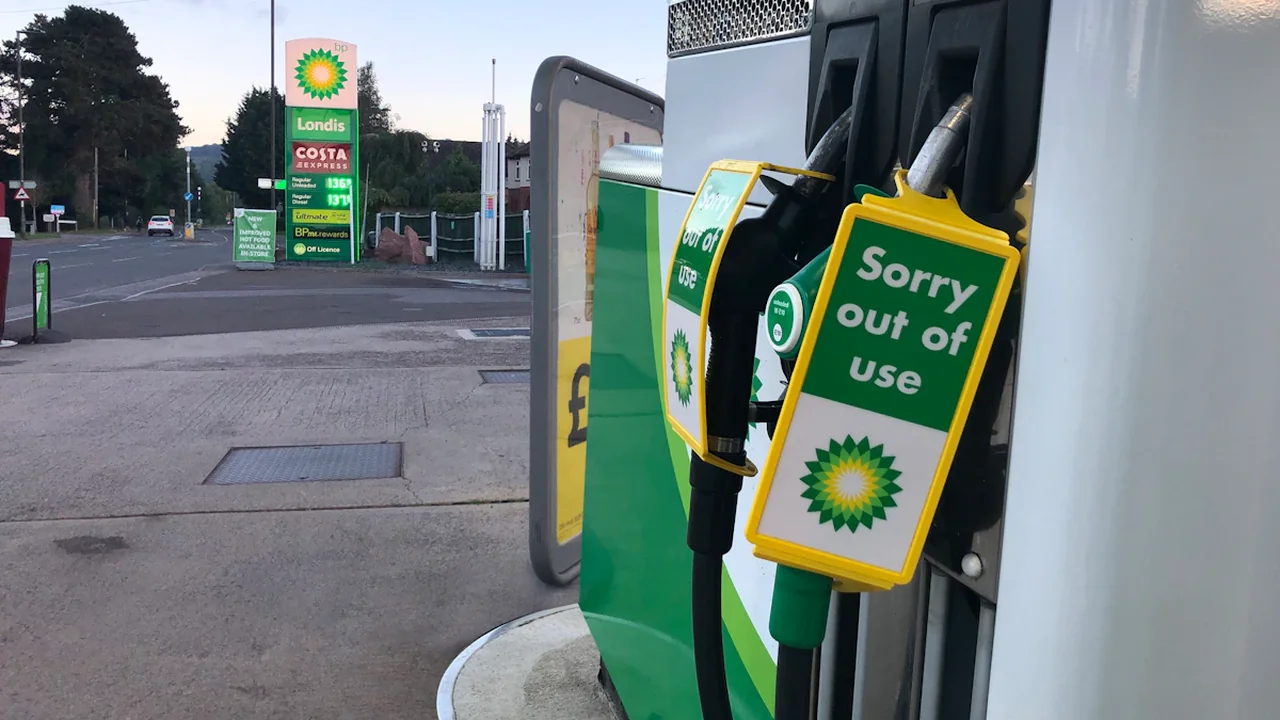
The latest UK weekly petrol and diesel averages cover the week beginning 28 September 2026, but they do not tell drivers what any particular forecourt is charging. The Department for Energy Security and Net Zero published the figures on 29 September; use them as national context, then check nearby pumps to estimate your October fuel budget.
What the latest UK fuel-price figures show
The government’s weekly road fuel prices series was updated on 29 September 2026 with average retail pump prices for the week beginning Monday 28 September. The supplied publication information confirms the release date and reporting week, but does not provide the current or previous weekly price values.
That means a reliable petrol-versus-diesel table cannot be completed from the available figures. No price or week-on-week change should be inferred from the update date alone. Check the published series for both the 28 September week and its preceding week before comparing the averages.
How to compare petrol and diesel averages
Once you have the two weekly values, compare like with like: petrol against petrol and diesel against diesel, using the same units and reporting weeks. A compact comparison should show the current average alongside the previous weekly average, so readers can see the difference without mistaking it for a local price.

The national average is a summary across UK retail pump prices. It does not establish the price at a particular station, explain why one fuel costs more than the other, or predict what a forecourt will charge next week. Local prices can differ, so the average is best used as a benchmark for the wider market.
Estimate a fill-up using your local pump price
Multiply the number of litres you expect to buy by the price per litre shown at the forecourt. For example, if a driver buys 40 litres at a local pump price of £1.50 per litre, the fuel cost is 40 × £1.50, or £60. This is an arithmetic example, not a claim about current UK prices.
For a partial refill, use the litres actually added rather than the tank’s full capacity. If you budget in pence per litre, convert that figure to pounds per litre first: divide by 100, then multiply by litres. The result estimates the fuel charge; it does not include other trip costs.
Why nearby forecourts matter for your October budget
A UK average can help you judge the general level of fuel costs, but your likely bill depends on the price and quantity at the station you use. Before a longer journey or a large fill, check a few accessible nearby forecourts and compare their displayed prices. Include the extra distance in your decision if reaching a cheaper station would add a detour.
For a practical budget, estimate how many litres you expect to buy and multiply by a local price you have checked. Revisit the official weekly series for the next reporting week to see whether the national benchmark has changed; use a forecourt’s current displayed price for the amount you will actually pay.
Source: Department for Energy Security and Net Zero
Context & actions About this article
Source check Source
The Department for Energy Security and Net Zero says its weekly road fuel prices series was updated on 29 September 2026 for the week beginning 28 September.
- Confirm the current petrol and diesel averages in the 28 September 2026 entry.
- Compare each fuel with its value for the preceding week.
- Check nearby forecourt prices for a local fill-up estimate.
- Source
- Department for Energy Security and Net Zero
- Scope
- United Kingdom
- Updated
- 2026-10-29 09:58
Source check
Report a trust issue
Send a clear signal to community moderation if the source, facts or context need review.

Comments